Nantucket Beach Rights Explained
Understanding Beach Access on the Island
Understanding Beach Access on the Island
Beach access is one of the most important considerations for Nantucket buyers. Unlike many Massachusetts coastal communities, our island offers exceptional public beach access—but understanding the nuances of deeded rights, conservation lands, and Massachusetts law is essential for making an informed purchase.
— John Trudel
Types of Beach Access
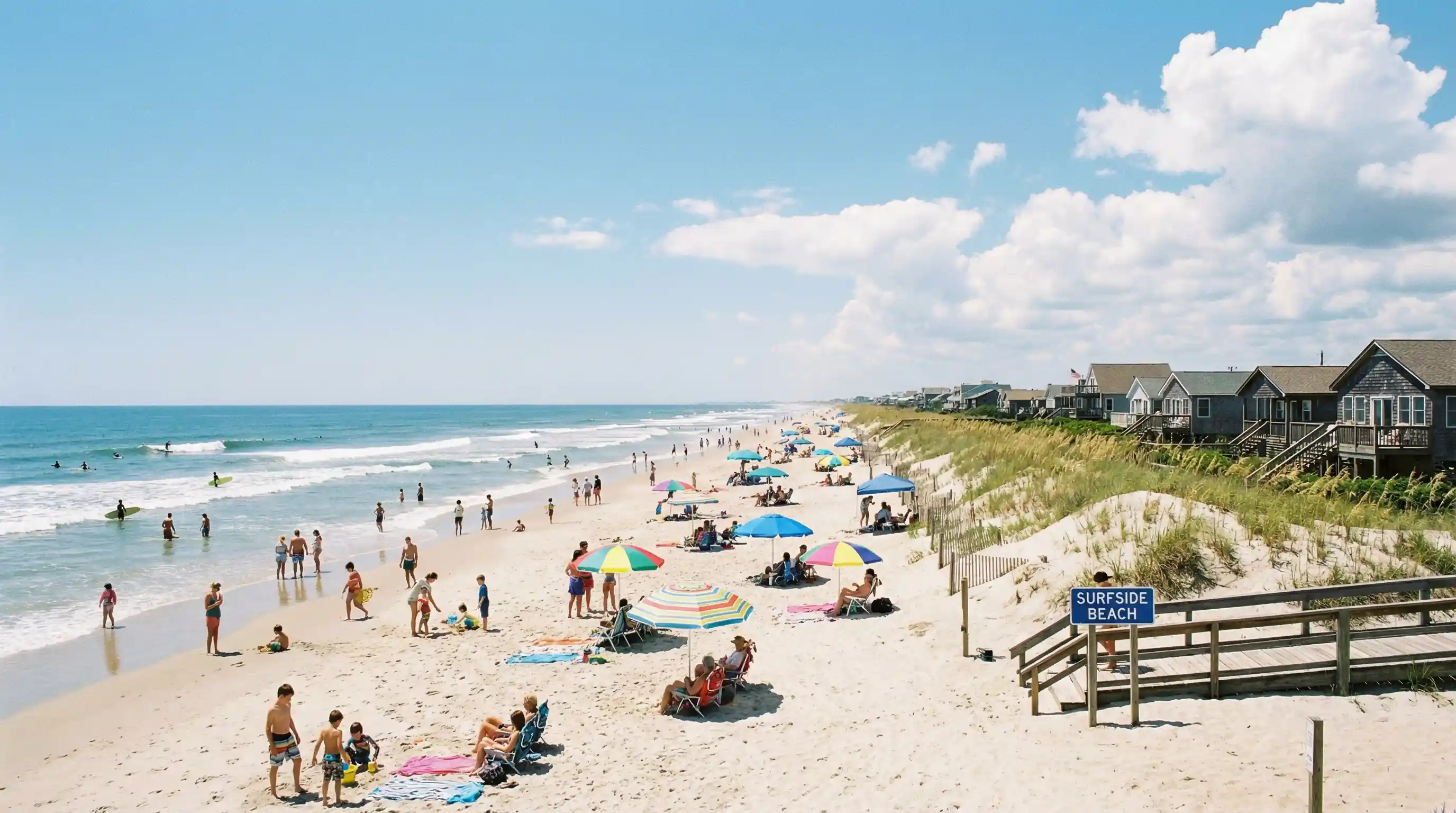
Unlike many Massachusetts coastal communities, Nantucket offers exceptional public beach access. Major beaches like Jetties Beach, Surfside Beach, and Children's Beach are freely accessible to everyone. These town-maintained beaches often include amenities like lifeguards, restrooms, and snack bars during summer months.
Some Nantucket properties include deeded beach rights that grant specific access to private beach areas. These rights are recorded in your property deed and transfer with ownership. Deeded rights may allow swimming, boating, and other activities at designated beach association areas not open to the general public.
Under Massachusetts Colonial Ordinances dating to 1641-1647, coastal property owners may own the beach area down to the mean low tide mark. However, the public retains rights for fishing, fowling (bird hunting), and navigation. General recreation like sunbathing on private beaches requires owner permission.
The Nantucket Conservation Foundation, Nantucket Land Bank, and The Trustees of Reservations maintain thousands of acres with beach access. Areas like Coatue Wildlife Refuge offer pristine beaches accessible by foot or with oversand vehicle permits. These protected lands ensure permanent public access to some of the island's most beautiful shoreline.
Public Beaches
Nantucket's premier family beach with lifeguards, Sandbar restaurant, playground, tennis courts, and calm waters. Walking distance from downtown with excellent facilities for families.
Neighborhood
Brant PointSouth shore beach with stronger Atlantic surf, popular with surfers and families with older children. Accessible by bike path with shuttle service from downtown.
Neighborhood
SurfsideSmall, calm harbor beach closest to downtown with playground, snack bar, and family programming. Perfect for young children with shallow, protected waters.
Neighborhood
DowntownNorth shore beach with calm, protected waters and beautiful rolling dunes. Less crowded alternative to Jetties with family-friendly conditions.
Neighborhood
DionisWest end beach famous for spectacular sunsets. Stronger surf conditions require caution. No facilities, so bring provisions for a beach day.
Neighborhood
MadaketConservation Land Access
Nantucket benefits from extensive conservation efforts that protect thousands of acres while ensuring public access. Three organizations maintain the majority of protected land:
These areas are free for pedestrians, with oversand vehicle permits available for those wishing to drive to more remote beaches. Great Point, at the island's northeastern tip, offers some of the most spectacular and secluded beach access.
For Buyers
Beach rights should be explicitly stated in your property deed. Have your attorney verify the exact nature and extent of any beach access rights, including any restrictions or membership requirements.
Massachusetts grants private coastal owners more extensive rights than most states. The public can access private beaches only for fishing, fowling, or navigation—not general recreation or sunbathing.
Some deeded beach rights come with mandatory or optional beach association memberships. Understand annual dues, rules, and what amenities are included before purchasing.
A property near a beach doesn't automatically include beach rights. Conversely, properties farther inland may include deeded access to specific beach areas. Always verify in writing.
Under the Colonial Ordinances of 1641-1647, Massachusetts grants private coastal owners more extensive rights than most other states. Property owners typically own to the mean low tide mark, with the public retaining only limited rights for fishing, fowling, and navigation in the intertidal zone. This makes understanding beach rights especially important when purchasing coastal property on Nantucket.
Frequently Asked Questions
Most of Nantucket's 110-mile coastline is publicly accessible, making it exceptional among Massachusetts coastal communities. You can freely access public beaches like Jetties, Surfside, Dionis, and Children's Beach. On private beaches, Massachusetts law allows walking below the mean high tide line only for fishing, fowling (bird hunting), or navigation purposes—not for general recreation or sunbathing.
Deeded beach rights are legal access privileges recorded in a property's deed that grant the owner specific rights to use a private beach or beach association area. These rights transfer with property ownership and may include swimming, boating, and use of beach facilities. The specific privileges vary by deed, so it's essential to have an attorney review the exact language.
Yes. The Town of Nantucket requires Beach Vehicle Permits for oversand driving at designated locations including Surfside, Madaket, and Eel Point. All vehicles must be four-wheel drive, properly registered, and operated by a licensed driver. The permit does not include Great Point, which requires a separate Trustees of Reservations permit. Violations can result in fines up to $300.
Public beaches are maintained by the Town of Nantucket and typically offer amenities like lifeguards, restrooms, and parking. Conservation land beaches, managed by organizations like the Nantucket Conservation Foundation and The Trustees, protect natural habitats while allowing public access. These areas often have fewer facilities but offer pristine, less-crowded beach experiences.
Under Massachusetts law dating to the Colonial Ordinances of 1641-1647, waterfront property owners typically own down to the mean low tide mark. However, the public retains rights for fishing, fowling, and navigation in the intertidal zone. Some waterfront properties include additional restrictions based on conservation easements or deed conditions.
Surfside and Madaket offer direct beach community living with easy walk-to-beach access. Brant Point provides proximity to Jetties Beach and the harbor. Downtown offers walking distance to Children's Beach and ferry access to harbor beaches. Dionis and Cisco provide north and west shore beach access respectively. Every neighborhood has unique beach access characteristics—we can help match your preferences.
Find properties with the beach access you're looking for
Contact Us
Whether you're buying, selling, or exploring Nantucket real estate opportunities, we're here to help.