800+ pre-1850 homes, HDC rules, and what buyers pay for whaling-era architecture. The insider guide to buying historic property on Nantucket Island.
Nantucket's Historic District stands as one of the largest and most intact collections of pre-Civil War architecture in America. The entire island operates under historic preservation guidelines, protecting a built environment that spans from the earliest colonial settlement through the golden age of whaling to the present day.
For real estate buyers, this preservation creates both extraordinary opportunity and unique considerations. Historic properties command premium values, offer irreplaceable character, and connect owners to centuries of American history. Understanding the regulatory framework, architectural heritage, and practical realities of historic ownership is essential for anyone considering a Nantucket purchase.
Related Guides:
- Living in Nantucket: Complete Guide
- Sconset Real Estate Guide
- Downtown Nantucket Neighborhood
- Sconset Neighborhood
Understanding Nantucket's Historic District
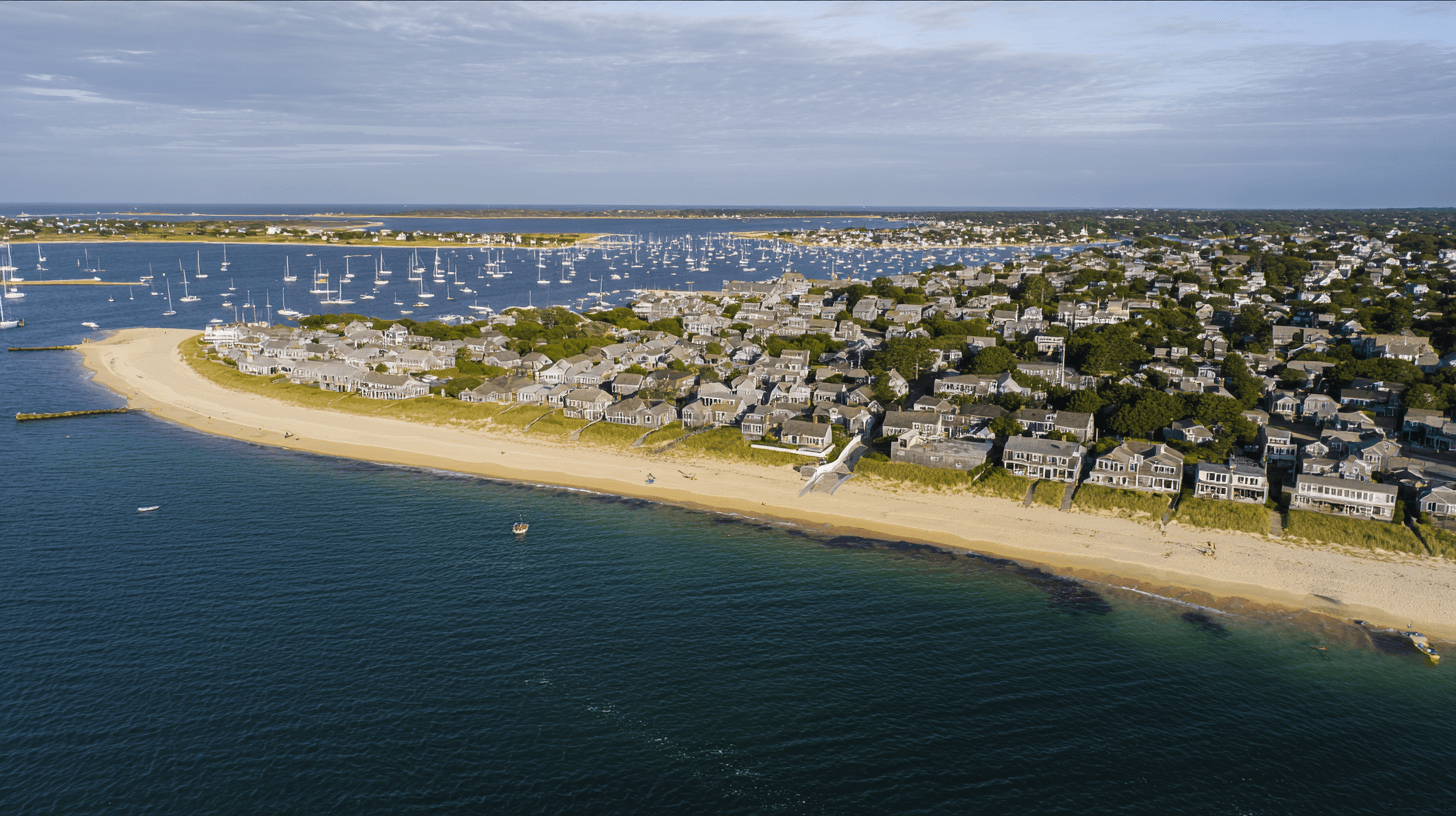
Nantucket's Historic District encompasses the entire island, making it unique among American preservation areas. While most towns protect only their historic cores, Nantucket extended protections island-wide in 1972, recognizing that the architectural harmony of the entire landscape deserved preservation.
The island contains over 800 structures built before 1850, with the downtown core featuring one of the densest concentrations of pre-Civil War buildings anywhere in the United States. Walking through town, you encounter an unbroken streetscape of 18th and 19th-century architecture largely unchanged from the whaling era.
Key Historic District Facts:
- Established 1955, expanded island-wide 1972
- Over 800 pre-1850 structures
- Entire island under HDC jurisdiction
- Both "Old Historic District" and "Historic District" zones
- National Historic Landmark designation
The preservation of Nantucket stems from an unusual historical circumstance: economic decline. When the whaling industry collapsed in the 1850s, Nantucket lacked the resources for new construction. Buildings survived by default, frozen in time while mainland towns demolished and rebuilt. By the time prosperity returned through tourism, residents recognized the value of what had been inadvertently preserved.
The History of Nantucket Architecture
The Whaling Era (1690s-1850s)
Nantucket's architectural character was shaped primarily during its whaling prosperity. The pursuit of whales was the island's primary business from the 1690s until the 1850s, and in the mid-1700s, Nantucket was the whaling capital of the world.
This maritime wealth funded the construction of homes that still define the island's character. Successful captains and merchants built substantial residences that reflected both their prosperity and Quaker values of restraint and quality craftsmanship.
The whaling industry created distinct property types that remain highly valued today:
Captain's Houses: Substantial homes built by successful whaling captains, typically featuring formal proportions, quality materials, and prominent positions on Main Street or Orange Street. These properties represented the highest social status of the whaling era.
Merchant Homes: Built by the agents, chandlers, and businessmen who supported the whaling fleet. Often slightly smaller than captain's houses but featuring similar quality construction and architectural details.
Whale Houses: Small, early structures that originated as fishing shanties in areas like Sconset. These tiny buildings, some measuring just 10 by 12 feet, have become some of the island's most coveted historic properties.
Post-Whaling Preservation (1850s-Present)
The Great Fire of 1846 destroyed much of downtown Nantucket, and the subsequent rebuilding coincided with the industry's decline. Many structures rebuilt after the fire reflect the architectural styles of the late 1840s, creating a remarkably consistent streetscape.
When tourism emerged in the late 1800s, visitors discovered an island that appeared frozen in time. Artists, writers, and summer residents recognized the value of this preservation and began advocating for its protection.
The formal historic district was established in 1955, making Nantucket one of the earliest communities in America to adopt comprehensive historic preservation zoning.
Architectural Styles on Nantucket
Nantucket's architectural evolution reflects both broader American trends and the island's unique circumstances. Several distinct styles characterize the historic building stock.
Lean-To Style (1700s)
The earliest surviving Nantucket houses feature the lean-to or saltbox form. These simple structures have steeply pitched roofs that slope nearly to the ground on the rear elevation. Originally practical responses to harsh winters, lean-to houses now represent the rarest and most valuable historic properties.
Characteristics:
- Central chimney construction
- Steeply pitched asymmetrical roof
- Simple, minimal ornamentation
- Small-paned windows
- Weathered shingle exteriors
Federal Style (1790s-1840s)
The Federal style dominated Nantucket construction during the peak whaling years. These elegant homes reflect the prosperity of successful captains and merchants while maintaining the restraint valued by the island's Quaker heritage.
Characteristics:
- Symmetrical facades with centered entries
- Fanlights and sidelights around doorways
- Delicate exterior trim and moldings
- Multi-paned windows with thin muntins
- Hip or gable roofs with widow's walks
The Three Bricks on Main Street exemplify Federal architecture at its finest. Built in 1836-1838 by whale oil merchant Joseph Starbuck for his three sons, these matching brick residences remain among the island's most iconic structures.
Greek Revival (1830s-1850s)
Greek Revival architecture arrived on Nantucket just as the whaling industry reached its peak. This style, popular throughout America in the 1840s, appears in several prominent Nantucket structures.
Characteristics:
- Bold columned porticos
- Triangular pediments
- Heavy cornices
- Symmetrical window placement
- White or light-colored paint
The Hadwen Houses on Main Street showcase grand Greek Revival design, with their columned facades representing the height of pre-decline prosperity.
Shingle Style (1880s-1910s)
The Shingle Style emerged as a distinctly American architectural response, and Nantucket became one of its most important expressions. Architectural historian Vincent Scully called this approach "the architecture of the American summer."
The style represented a deliberate rejection of Victorian ornamentation in favor of the simpler forms seen in colonial and early American buildings. Its practitioners looked to structures like Nantucket's earliest homes for inspiration.
Characteristics:
- Wood shingle siding wrapping the entire structure
- Irregular massing with varied roof lines
- Deep porches and verandas
- Large, grouped windows
- Integration with landscape
- Minimal applied ornamentation
Many of Nantucket's grandest summer estates built between 1880 and 1910 embrace the Shingle Style, creating properties that remain among the island's most valuable.
Nantucket Cape Cod Style
A distinct local variation of the Cape Cod cottage evolved on Nantucket, adapted to the island's specific conditions and building traditions.
Characteristics:
- One-and-a-half-story construction
- Steeply pitched roofs
- Central chimney
- Symmetrical window placement
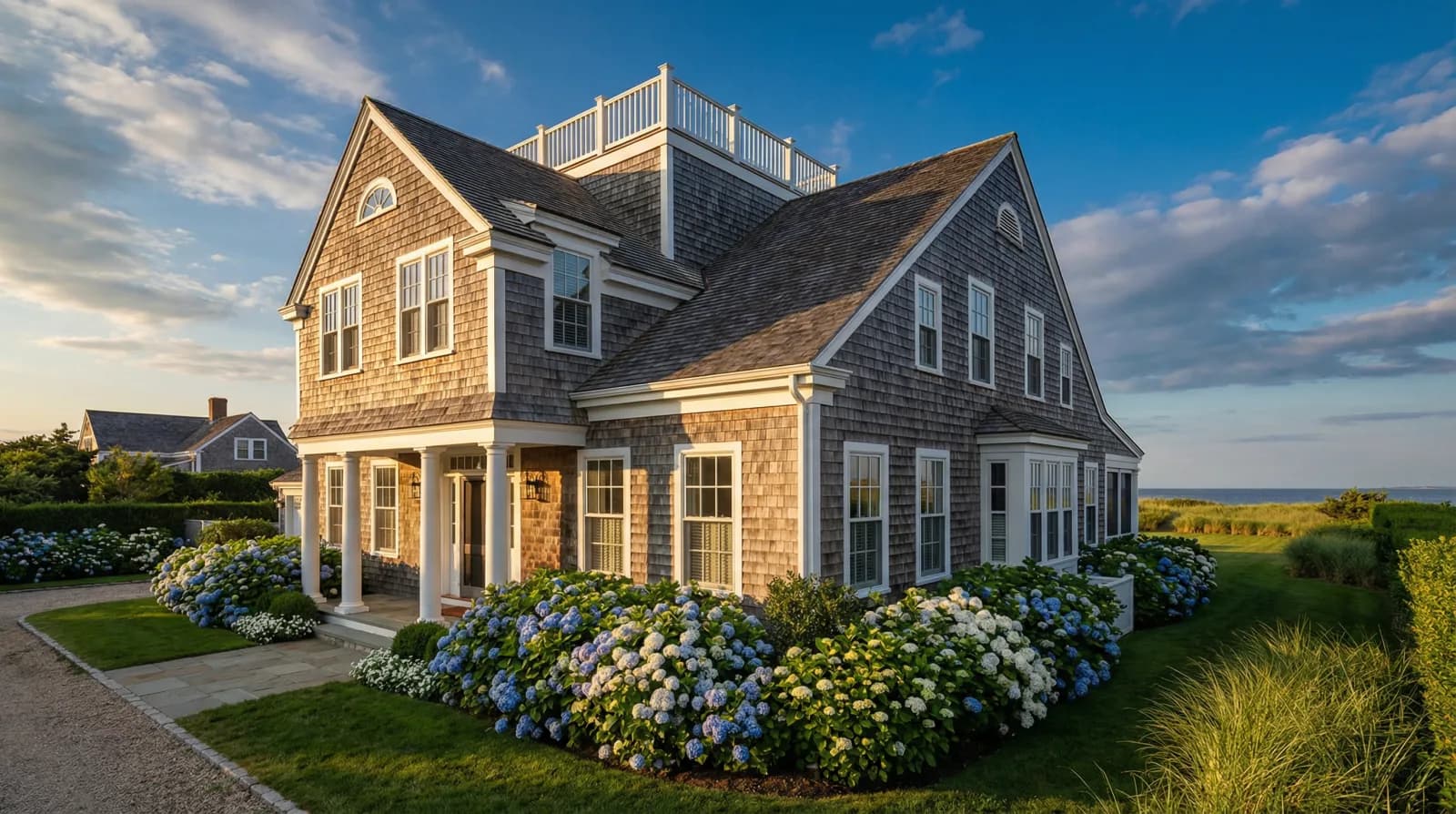
- Gray-shingled exteriors weathered by sea air
These modest homes once housed working islanders and now command premium prices for their authentic historic character.
The Historic District Commission (HDC)
The Historic District Commission oversees all exterior changes to structures throughout Nantucket. Understanding the HDC process is essential for any property purchase.
What the HDC Regulates
The HDC has jurisdiction over all exterior work visible from public ways, including:
- New construction and additions
- Exterior alterations and modifications
- Roof replacements and changes
- Window and door replacements
- Paint colors and exterior finishes
- Fencing, landscaping features, and hardscaping
- HVAC equipment placement and screening
- Signage for commercial properties
- Solar panels and modern technology installations
The Certificate of Appropriateness
Any exterior work requires a Certificate of Appropriateness (COA) from the HDC. Applications are reviewed at regular commission meetings, with schedules and deadlines published on the town website.
Application Process:
- Submit detailed plans and specifications
- Staff review for completeness
- Public hearing and commission review
- Approval, denial, or request for modifications
- Building permit application (separate process)
For straightforward projects like window replacement with matching materials, approvals may come quickly. Major additions or new construction typically require multiple hearings and design refinements.
What Buyers Should Know
The HDC framework shapes what you can and cannot do with historic properties:
Color Restrictions: The HDC maintains approved color palettes. The characteristic gray shingles that define Nantucket's aesthetic are essentially required for historic properties. Bright colors, non-traditional finishes, and certain modern materials may be prohibited.
Window Requirements: Historic windows are protected. Replacement windows must match original profiles and materials. The HDC encourages repair over replacement, as old windows were built to last and can be made energy-efficient.
Addition Guidelines: New construction must complement existing structures without overwhelming them. The guidelines emphasize that additions should be subordinate to original buildings in scale and placement.
Modern Systems: HVAC equipment, solar panels, and other modern technology must be screened from view or placed where invisible from public ways.
Working with the HDC
The HDC process adds time and complexity to renovation projects but protects the investment value of all island properties. A few strategies help navigate the system:
- Engage experienced local architects familiar with HDC preferences
- Research precedents for similar projects
- Consider pre-application consultations with staff
- Build adequate timeline into project planning
- Work with contractors experienced in historic renovation
Types of Historic Properties
Whale Houses and Early Cottages
The smallest and often most historic structures on Nantucket, whale houses originated as seasonal fishing shelters. These tiny buildings, concentrated in areas like Sconset, have been expanded and improved over centuries while maintaining their historic character.
Market Position: Rare, highly collectible, and commanding significant premiums despite small size. Original whale houses almost never come to market.
Price Range: $1.5M-$6M depending on condition and location
Considerations: Limited interior space, potential structural challenges, highest preservation sensitivity
Captain's Houses
The grandest residential structures from the whaling era, captain's houses line Main Street and Orange Street. These substantial homes feature the finest craftsmanship of their period and represent the pinnacle of Nantucket architectural heritage.
Market Position: Trophy properties rarely traded. Multi-generational family ownership common.
Price Range: $5M-$25M+
Considerations: Significant maintenance requirements, potential National Register status, highest visibility and preservation scrutiny
Federal and Greek Revival Homes
The primary residential building stock of the whaling era, these homes range from modest dwellings to substantial residences. Many have been sensitively updated while maintaining historic character.
Market Position: Core of the historic inventory, representing the best balance of authenticity and livability
Price Range: $2.5M-$12M
Considerations: HDC approval required for any changes, potential for hidden deferred maintenance, varying levels of modern systems
Shingle Style Estates
The grand summer homes built between 1880 and 1910 represent Nantucket's second architectural golden age. These properties often feature extensive grounds, multiple structures, and water views.
Market Position: Among the highest-value properties on the island, prized for scale, craftsmanship, and setting
Price Range: $8M-$40M+
Considerations: Substantial maintenance and operating costs, complex systems, large property management requirements
Buying a Historic Home
Due Diligence Considerations
Purchasing historic property requires enhanced due diligence beyond standard real estate transactions:
Structural Assessment: Engage inspectors experienced with historic construction. Old buildings use different methods and materials than modern construction, requiring specialized knowledge.
Historic Research: Investigate the property's history, previous alterations, and any preservation restrictions. Some properties carry easements or restrictions beyond standard HDC requirements.
HDC History: Review past applications and approvals. Understanding what has been approved or denied helps set realistic renovation expectations.
System Evaluation: Historic homes may have outdated electrical, plumbing, and HVAC systems. Factor upgrade costs into purchase decisions.
Maintenance Requirements: Historic materials require specific maintenance approaches. Understand ongoing preservation requirements.
Financial Considerations
Historic properties carry unique financial implications:
Higher Maintenance Costs: Preservation-appropriate maintenance typically costs more than standard repairs. Budget accordingly.
Renovation Complexity: HDC-compliant renovations require specialized contractors and may take longer than equivalent mainland projects.
Insurance Requirements: Historic structures may require specialized coverage. Some insurers offer premium discounts for proper preservation practices.
Tax Implications: Certain preservation expenses may qualify for tax benefits. Consult with advisors familiar with historic property ownership.
Working with Specialists
Successful historic property ownership requires the right professional team:
Real Estate Agent: Choose an agent with specific experience in historic properties and HDC process knowledge
Architect: Work with firms experienced in Nantucket historic renovation
Contractor: Select contractors with documented historic preservation expertise
Attorney: Use counsel familiar with historic easements and preservation requirements
Preservation Requirements and Guidelines
Maintaining Historic Character
The Nantucket Preservation Trust offers guidance for homeowners seeking to properly preserve their historic properties. Key principles include:
Regular Maintenance: Routine care prevents costly repairs. Sea air and damp conditions make maintenance especially important on Nantucket.
Limit Repair Scope: Replace only damaged portions of trim and elements. Wholesale replacement destroys historic fabric unnecessarily.
Preserve Historic Windows: Old windows were built to be repaired, not replaced. With proper maintenance and weatherstripping, they can be made energy-efficient while retaining historic character.
Appropriate Masonry Repair: Historic brick requires lime-based mortar, not modern Portland cement. Improper mortar can damage historic brick and cause structural issues.
Sensitive Additions: Design additions to complement rather than overwhelm original structures. Excessive ground coverage diminishes the property and neighborhood.
Maintain Character Details: Elements like winder staircases, original hardware, and quirky features give historic homes authenticity. Preserve rather than modernize these elements.
Keep Historic Interiors: Original plaster, flooring, moldings, and interior features reveal a building's history and should be preserved when possible.
Common Preservation Mistakes to Avoid
- Over-sanding historic floors, reducing lifespan and destroying patina
- Removing original plaster walls (historic plaster is superior to drywall)
- Using Portland cement on historic masonry
- Replacing historic windows with modern units
- Oversized additions that overwhelm original structures
- Removing unique Nantucket features like mirror boards and winder staircases
Investment Potential of Historic Properties
Historic Nantucket properties have demonstrated strong long-term appreciation:
Scarcity Value: No new historic properties can be created. The finite supply of pre-1850 structures ensures permanent rarity.
Preservation Premium: Well-maintained historic properties command significant premiums over comparable newer construction.
Regulatory Protection: HDC oversight protects neighborhood character, supporting values for all properties within historic areas.
Market Resilience: Trophy historic properties have historically maintained value through economic downturns.
2025 Market Context
The Nantucket market showed strong activity in 2025, with 417 transactions totaling $1.81 billion, representing a 34% increase from 2024. Historic properties in prime locations continue to attract serious buyers despite elevated pricing.
Limited inventory remains the primary constraint. Quality historic properties attract multiple interested parties when they appear on the market, often trading quickly at strong prices.
Neighborhoods with Historic Character
Downtown Nantucket
The heart of historic Nantucket, downtown contains the densest concentration of pre-Civil War architecture. Main Street, Orange Street, Centre Street, and surrounding lanes feature the island's most significant historic structures.
Character: Walkable village with shops, restaurants, and cultural institutions alongside historic residences
Price Range: $3M-$25M+
Considerations: Highest HDC scrutiny, potential noise from town activity, limited parking
View Downtown Neighborhood Details
Sconset (Siasconset)
The historic fishing village seven miles east of town features Nantucket's most romantic cottage architecture. Rose-covered lanes, tiny historic structures, and Atlantic Ocean views create an unmatched setting.
Character: Quiet village atmosphere, historic cottages, oceanfront properties
Price Range: $2.5M-$30M+
Considerations: Distance from town, erosion concerns for bluff properties, limited year-round services
View Sconset Neighborhood Details | Sconset Real Estate Guide
Cliff Road Area
Grand Shingle Style estates from the late 19th and early 20th centuries line Cliff Road, with harbor views and proximity to downtown.
Character: Prestigious setting, grand historic homes, established landscaping
Price Range: $8M-$40M+
Considerations: Highest price points, substantial property sizes, significant maintenance requirements
Brant Point
Historic neighborhood near the lighthouse and harbor entrance, featuring a mix of Victorian-era cottages and larger historic homes.
Character: Beach access, harbor proximity, family-friendly atmosphere
Price Range: $3M-$15M
Considerations: Active summer area, walking distance to ferry, mix of property types
FAQs About Historic Nantucket Properties
Do I need HDC approval for interior renovations? Generally no. The HDC regulates exterior changes visible from public ways. However, significant interior work may require building permits, and some historically significant interiors may have additional protections.
How long does HDC approval take? Simple projects may be approved in weeks. Major additions or new construction can require months of review and multiple hearings. Build adequate time into project planning.
Can I add modern amenities to a historic home? Yes, with proper design and placement. HVAC, solar panels, and technology can be incorporated but must be screened from view or placed where not visible from public ways.
What colors can I paint my historic home? The HDC maintains approved color palettes. The characteristic gray shingles are essentially required for most historic properties. Consult HDC guidelines before planning any color changes.
Are there tax benefits for historic preservation? Certain preservation expenses may qualify for tax benefits. Consult with advisors familiar with historic property tax treatment.
What happens if I make changes without HDC approval? Unapproved work may require removal or modification. Enforcement can include fines and legal action. Always obtain proper approvals before beginning work.
Working with John Trudel on Historic Properties
Historic property purchases require expertise beyond standard real estate transactions. As a Nantucket specialist, I provide:
- Deep knowledge of historic property inventory and values
- Understanding of HDC requirements and processes
- Connections to preservation architects and contractors
- Experience navigating historic property due diligence
- Access to off-market historic properties
Whether you're seeking a whaling captain's mansion, a romantic Sconset cottage, or a grand Shingle Style estate, understanding the unique considerations of historic ownership is essential.
Ready to Explore Historic Nantucket?
Nantucket's historic properties offer the opportunity to own a piece of irreplaceable American heritage. The HDC framework protects your investment while preserving the character that makes the island exceptional.
- Browse Current Listings
- Schedule a Consultation
- View Downtown Neighborhood
- Contact Us with Questions
Let me help you find your place in Nantucket's remarkable architectural history.
Work with a Nantucket Expert
Looking for your Nantucket home? John Trudel has been helping buyers find their perfect island property for over 29 years. With deep local knowledge of every neighborhood, pricing trend, and historic consideration, he provides the guidance you need to make a confident decision.
Schedule a consultation to discuss your goals, or browse current listings to start exploring.