What it's really like owning a home under Nantucket's island-wide HDC rules. Renovation approvals, property values, and life in a preserved community.
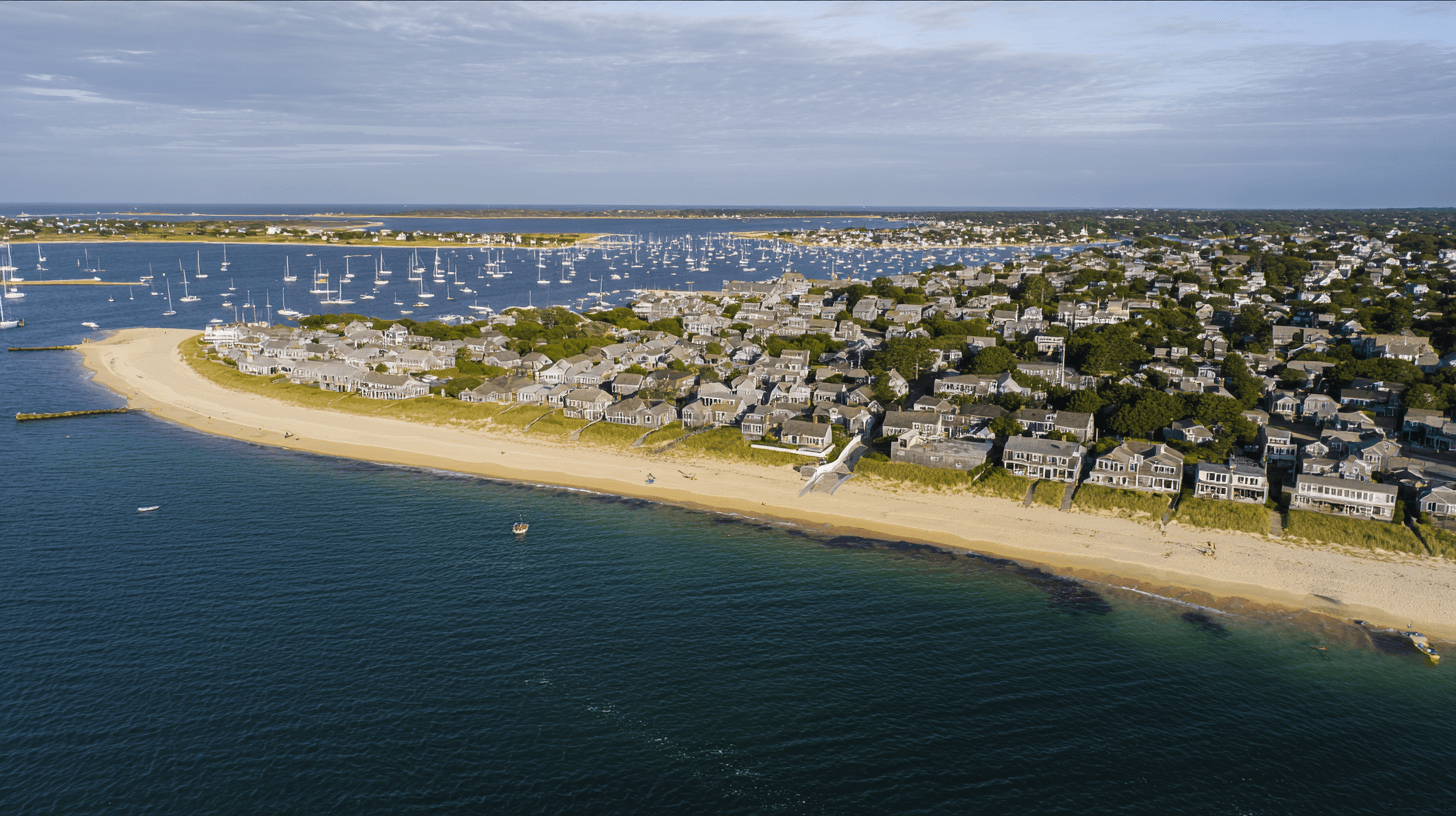
Living in Nantucket's historic district means becoming part of one of America's most remarkable preservation success stories. The entire island operates under historic guidelines, creating a cohesive architectural landscape that spans centuries of American history while supporting a vibrant modern community.
For prospective homeowners, understanding what daily life looks like within this protected environment is essential. The regulations that preserve Nantucket's character also shape the ownership experience in meaningful ways.
For comprehensive background on Nantucket's historic architecture and preservation framework, see our Complete Historic Homes and Historic District Guide.
What Makes Nantucket's Historic District Unique
Unlike most American historic districts that protect only downtown cores or specific neighborhoods, Nantucket extended preservation guidelines island-wide in 1972. This decision recognized that the architectural harmony of the entire landscape deserved protection, creating a unified aesthetic that distinguishes Nantucket from virtually every other community in the country.
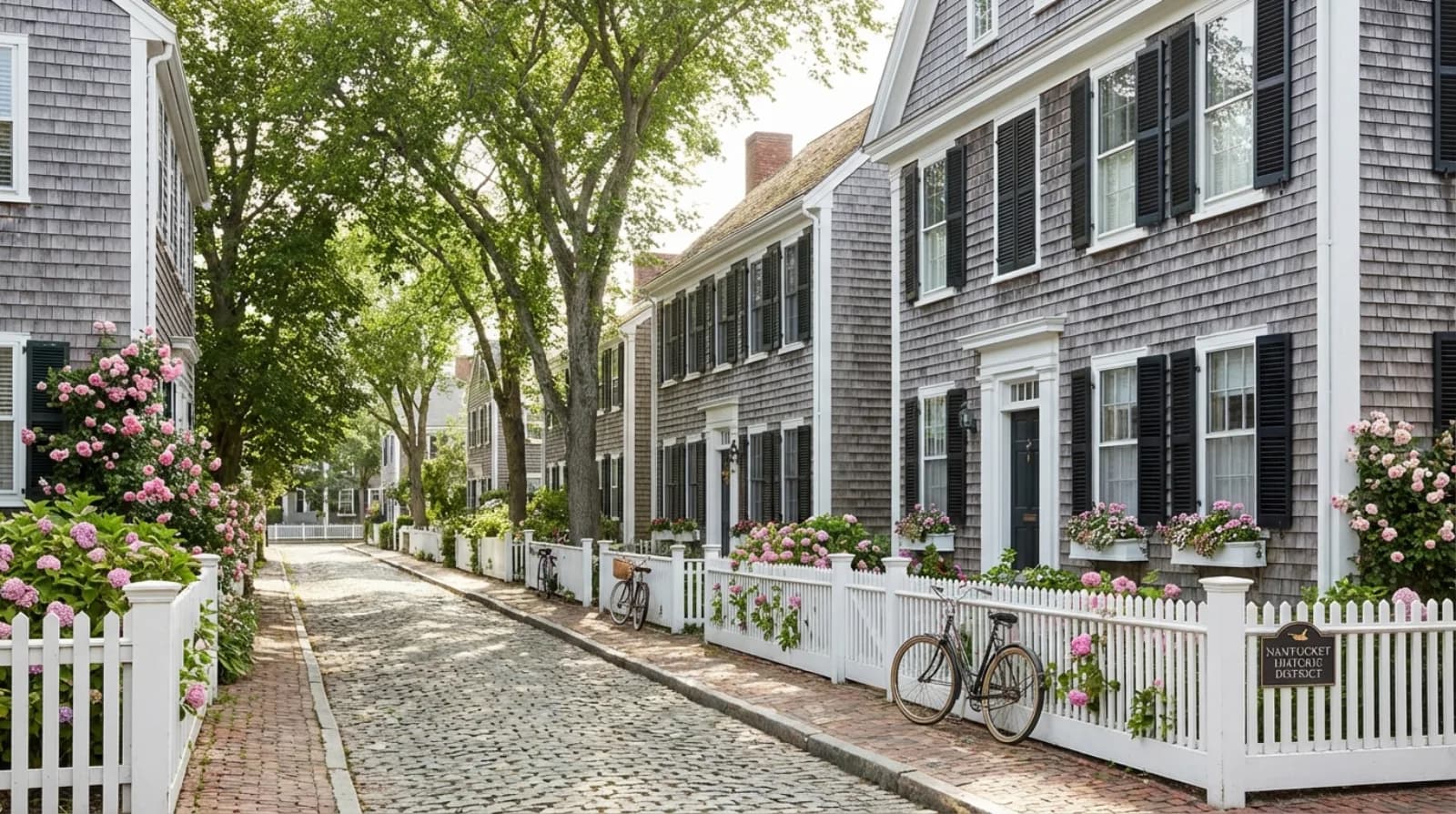
The result is an island where over 800 pre-1850 structures stand alongside sensitively designed newer construction. Walking through any Nantucket neighborhood, you encounter a consistent visual language of gray-shingled exteriors, white trim, and traditional proportions that connects the present to centuries of maritime heritage.
The Scope of Protection:
- Island-wide Historic District Commission jurisdiction since 1972
- Original "Old Historic District" established in 1955
- National Historic Landmark designation for the downtown core
- Both residential and commercial properties included
- New construction subject to the same review as historic renovation
This comprehensive approach means that wherever you choose to live on Nantucket, you become part of a community committed to preservation. The regulations that some might view as restrictions are better understood as a collective agreement to maintain the character that makes the island exceptional.
The Benefits of Historic District Living
Guaranteed Neighborhood Character
Perhaps the greatest benefit of living in a protected historic district is certainty about your surroundings. When you purchase a home in Nantucket's historic areas, you know that the neighborhood character you fell in love with will endure.
The Historic District Commission reviews all exterior changes visible from public ways. Your neighbor cannot paint their house a jarring color, build an oversized addition that overwhelms the streetscape, or install equipment that disrupts the visual harmony. This protection extends to every property on the island.
What the HDC Protects:
- Consistent color palettes across neighborhoods
- Appropriate scale and massing for new construction
- Traditional materials and architectural details
- Screening of modern equipment and technology
- Signage that respects historic character
Strong Property Values
Historic preservation correlates with strong and stable property values. Nantucket's regulations ensure that no individual property owner can diminish the value of surrounding properties through inappropriate alterations.
The scarcity factor also supports values. With strict limits on what can be built and how properties can be modified, the supply of quality historic homes remains constrained. Authentic pre-Civil War structures can never be replicated, creating permanent rarity that the market recognizes.
Properties in well-preserved historic districts have historically shown resilience during economic downturns, as the combination of location, character, and protected surroundings creates lasting appeal for discerning buyers.
Community Connection
Living within historic preservation guidelines creates a sense of shared responsibility with your neighbors. The review process, while sometimes viewed as bureaucratic, fosters community engagement and ensures that changes to the built environment receive thoughtful consideration.
Long-term residents take pride in maintaining their properties according to preservation standards. This collective commitment creates neighborhoods where care and attention to detail are the norm rather than the exception.
Understanding the HDC Approval Process
The Historic District Commission oversees all exterior changes visible from public ways throughout Nantucket. For homeowners, understanding this process is essential for planning any improvement project.
What Requires HDC Approval
Any exterior work visible from public ways requires a Certificate of Appropriateness (COA) from the HDC. This includes:
Building Envelope Changes:
- Additions and new construction
- Window and door replacement
- Roof changes and replacements
- Siding repairs or replacement
- Chimney modifications
Site Improvements:
- Fencing and gates
- Driveways and walkways
- Retaining walls
- Swimming pools (if visible)
- Landscaping features and hardscaping
Mechanical Systems:
- HVAC equipment placement and screening
- Solar panel installations
- Generators and utility equipment
- Satellite dishes and antennas
Other Elements:
- Exterior lighting fixtures
- Signage for commercial properties
- Outdoor furniture in commercial areas
- Paint colors and exterior finishes
What Typically Does Not Require Approval
Routine maintenance using identical materials generally proceeds without HDC review:
- Repainting in the same approved color
- Replacing shingles with identical materials
- Interior renovations (though building permits may apply)
- Landscaping that does not involve permanent structures
- Minor repairs using matching materials
When in doubt, contact the HDC staff for guidance before beginning work.
The Application Process
The HDC meets regularly throughout the year, with published schedules and submission deadlines. The typical approval process follows these steps:
Step 1: Prepare Your Application Submit detailed plans showing existing conditions and proposed changes. Include specifications for materials, colors, and dimensions. Photographs documenting current conditions help reviewers understand the context.
Step 2: Staff Review HDC staff review applications for completeness and may provide preliminary feedback on potential issues. This informal review can identify concerns before the formal hearing.
Step 3: Public Hearing Applications are presented at a public meeting where commissioners review proposals and may ask questions. Applicants or their representatives typically attend to explain projects and respond to concerns.
Step 4: Commission Decision The commission may approve the application as submitted, approve with conditions, request modifications and continued review, or deny the application. Most applications receive approval, though sometimes with adjustments to address commissioner concerns.
Step 5: Building Permit HDC approval is separate from building permits. After receiving your COA, you must still obtain necessary building permits before construction begins.
Timeline Expectations
The HDC process adds time to renovation projects, and realistic planning is essential:
Minor Projects: Simple applications like window replacement with matching materials may be approved in a single meeting cycle (typically 4-6 weeks from submission to approval).
Moderate Projects: Visible additions, significant alterations, or projects requiring design refinement may take 2-4 months through the review process.
Major Projects: New construction or substantial additions typically require multiple hearings over 4-8 months as designs are refined in response to commissioner feedback.
Pro Tip: Build adequate timeline into project planning. Rush requests rarely succeed, and starting work without approval can result in removal orders and fines.
Daily Life in the Historic District
Living with Preservation Guidelines
For most homeowners, daily life within the historic district proceeds without constant awareness of regulations. The guidelines primarily affect renovation and improvement projects, not routine living.
What You Can Expect:
- Painting your house requires using approved colors
- Replacing windows means matching historic profiles
- Adding a deck or patio requires approval
- Installing central air requires equipment screening
- Outdoor furniture and plantings generally need no approval
The restrictions become most relevant when planning significant projects. Understanding the framework before purchasing helps set realistic expectations for future improvements.
Maintenance Considerations
Historic homes require maintenance approaches that differ from modern construction. The Nantucket Preservation Trust recommends several key principles:
Regular Maintenance Is Essential Sea air and damp conditions make routine maintenance particularly important on Nantucket. Regular painting, especially on exteriors, prevents rot and reduces costly repairs. Consider developing a maintenance schedule with clear priorities.
Preserve Rather Than Replace When repairs are needed, replace only the portion of material that is damaged. Historic trim, windows, and details were built to be repaired, not wholesale replaced. This approach saves money while preserving authentic historic fabric.
Care for Historic Windows Old windows, particularly those from the early twentieth century or earlier, were constructed to last generations with proper maintenance. With appropriate weatherstripping and care, historic windows can be made energy-efficient while retaining their character. The HDC encourages repair over replacement.
Use Appropriate Materials Historic masonry requires lime-based mortar rather than modern Portland cement. Using incorrect materials can damage historic brick and cause structural problems. Work with contractors who understand historic building techniques.
Maintain Interior Features While not regulated by the HDC, original interior elements like plaster walls, historic flooring, winder staircases, and architectural details contribute significantly to your home's character and value. Preservation-minded maintenance protects these features.
Working with Contractors
Success with historic property maintenance and renovation requires contractors experienced in preservation approaches. Nantucket has a community of tradespeople who understand historic materials and techniques.
Finding the Right Contractor:
- Ask for references on historic projects
- Verify experience with HDC approval process
- Discuss preservation philosophy before hiring
- Check that they understand appropriate materials
- Confirm they will obtain necessary approvals
Beware of contractors who dismiss preservation as unnecessary or claim it always costs more. Skilled preservation contractors know that proper techniques often cost no more than inappropriate ones and protect your investment better over time.
Neighborhood Character Across the Island
While island-wide regulations create consistency, different areas of Nantucket offer distinct experiences within the preservation framework.
Downtown Nantucket
The heart of the historic district, downtown Nantucket contains the densest concentration of pre-Civil War architecture. Living downtown means walking cobblestone streets past 18th and 19th-century buildings largely unchanged from the whaling era.
Character: The most walkable Nantucket lifestyle with shops, restaurants, and cultural institutions steps from your door. Year-round amenities and a vibrant community make downtown attractive for those who want convenience alongside historic character.
Considerations: Highest preservation scrutiny given the area's significance. Limited parking and summer tourist activity. Properties here receive the most attention from the HDC.
Sconset Village
Seven miles east of town, Sconset represents a different preservation experience. The village's legendary "whale houses" and rose-covered cottages create an intimate, romantic atmosphere quite different from downtown.
Character: Quiet village life centered around the historic fishing settlement. Walking to the beach, market, and casino without leaving the village. Strong sense of close-knit community.
Considerations: Distance from town requires more planning for errands. The village's tiny historic structures present unique maintenance challenges. Erosion concerns affect some bluff properties.
Mid-Island and Outlying Areas
Areas beyond the historic core still fall under HDC jurisdiction, though the character differs from downtown and village centers. These neighborhoods often feature larger lots and more privacy while maintaining Nantucket's architectural vocabulary.
Character: More space and privacy than downtown locations. Newer construction (though still HDC-compliant) may offer more modern amenities. Often easier vehicular access.
Considerations: Less walkable lifestyle requires more reliance on vehicles or bikes. Farther from year-round amenities and services.
Practical Tips for Historic District Homeowners
Before You Buy
- Review any pending HDC applications or conditions on the property
- Research the approval history for similar properties in the area
- Understand what improvements you plan to make and their likely approval path
- Factor HDC timeline into renovation planning and budgeting
- Engage an agent experienced with historic properties
Planning Improvements
- Consult with architects familiar with HDC preferences before finalizing designs
- Research precedents by reviewing approved projects in your neighborhood
- Consider a pre-application meeting with HDC staff for complex projects
- Build extra time into project timelines for review process
- Work with contractors experienced in historic renovation
Ongoing Ownership
- Develop a maintenance schedule addressing historic materials
- Document your property's condition with regular photographs
- Build relationships with preservation-skilled contractors
- Stay informed about HDC rule changes and guidelines
- Consider joining the Nantucket Preservation Trust for resources and support
Common Questions About Historic District Living
Can I modernize my historic home's interior? Interior renovations generally fall outside HDC jurisdiction. You can update kitchens, bathrooms, and living spaces as desired, subject to building codes. However, significant interior historic features in some properties may merit preservation for their character value.
What if my neighbor makes changes I find inappropriate? The HDC review process provides opportunity for public comment on applications. If you observe work proceeding without apparent approval, you can report concerns to the HDC office. Unapproved work may be subject to enforcement action.
How do I find the approved color palette? The HDC publishes guidelines including approvable roof shingle colors and exterior finishes. Staff can provide guidance on specific color questions. The characteristic gray shingles that define Nantucket's aesthetic are essentially required for most historic properties.
Can I install solar panels on my historic home? Solar installations require HDC approval and must be placed where not visible from public ways. Many homeowners successfully install solar, but placement and screening requirements apply. Consult current guidelines before planning an installation.
What happens if I purchase a property with unapproved modifications? Past violations can become the new owner's responsibility. During due diligence, verify that all visible modifications have received appropriate approvals. Title searches should reveal any pending enforcement issues.
The Privilege of Preservation
Living in Nantucket's historic district means participating in one of America's most successful preservation efforts. The regulations that govern exterior changes are not obstacles but rather the framework that protects your investment and ensures the island's character endures.
Homeowners who embrace the preservation ethos find deep satisfaction in maintaining properties that connect them to centuries of history. The quirks and challenges of historic homes become features rather than bugs, evidence of the authentic character that makes Nantucket irreplaceable.
Ready to Explore Historic District Living?
Understanding what life looks like within Nantucket's protected historic areas helps you make an informed decision about island home ownership. The combination of preserved character, strong property values, and committed community creates a living experience unavailable anywhere else.
- Browse Current Listings
- Schedule a Consultation
- Explore Downtown Neighborhood
- Complete Historic District Guide
Let me help you find your place in Nantucket's remarkable preserved community.
Work with a Nantucket Expert
Looking for your Nantucket home? John Trudel has been helping buyers find their perfect island property for over 29 years. With deep local knowledge of every neighborhood, pricing trend, and historic consideration, he provides the guidance you need to make a confident decision.
Schedule a consultation to discuss your goals, or browse current listings to start exploring.