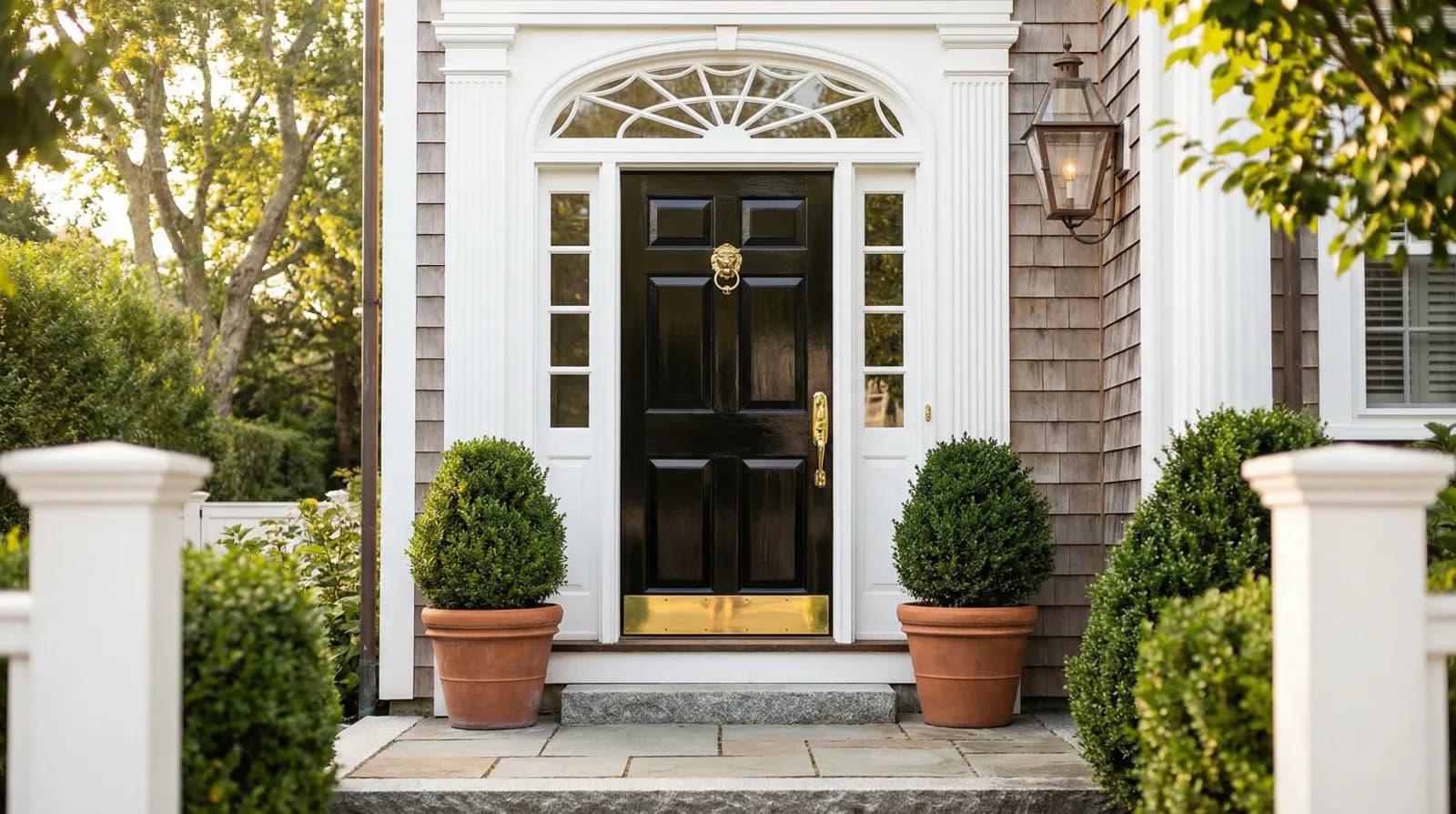
Everything buyers need to know about purchasing Nantucket historic homes. From HDC regulations and specialized inspections to financing options and renovation potential, this guide covers the complete due diligence process.
Purchasing a Nantucket historic home offers the opportunity to own a piece of irreplaceable American heritage. With over 800 structures built before 1850 and an entire island operating under historic preservation guidelines, buyers must navigate unique considerations that differ significantly from standard real estate transactions.
This comprehensive guide walks you through everything you need to know about buying historic properties on Nantucket, from initial due diligence through closing and beyond. Whether you are considering a whaling-era captain's house, a romantic Sconset cottage, or a grand Shingle Style estate, understanding these fundamentals protects your investment and sets realistic expectations.
For broader context on Nantucket's architectural heritage and preservation framework, reference our complete historic district guide. To explore available properties, browse current listings or schedule a consultation for personalized guidance.
What Makes Buying Historic Homes Different
Purchasing a historic home on Nantucket differs from standard real estate transactions in several important ways:
Regulatory Oversight: The Historic District Commission oversees all exterior changes throughout the island. Any modifications you plan must receive approval before work begins.
Construction Methods: Historic buildings use different materials and techniques than modern construction. Understanding these differences is essential for proper evaluation and maintenance.
Specialized Expertise: Standard home inspectors may lack experience with historic construction. You need professionals who understand how old buildings work.
Preservation Responsibilities: Owning a historic home means becoming a steward of irreplaceable heritage. This responsibility carries both obligations and privileges.
Investment Characteristics: Historic properties follow different market dynamics than newer construction. Their scarcity creates permanent rarity value.
These differences do not make historic purchases more difficult, but they do require different approaches and specialized knowledge.
Pre-Purchase Due Diligence
Understanding the Property's History
Before making an offer on a historic Nantucket home, research its background thoroughly:
Construction Date and Original Use: When was the structure built, and for what purpose? A whaling captain's house has different characteristics than a later summer cottage.
Previous Alterations: What changes have been made over the years? Review available records for past HDC applications, building permits, and documented renovations.
Preservation Status: Does the property carry any preservation easements or restrictions beyond standard HDC requirements? Some historic properties have additional protections that limit future modifications.
Ownership History: Multi-generational family ownership often indicates well-maintained properties. Frequent turnover may suggest issues worth investigating.
Known Issues: Has the property appeared in any preservation studies or assessments? The Nantucket Preservation Trust maintains resources on significant structures.
Title and Legal Considerations
Historic properties may carry unique legal considerations:
Historic Easements: Some properties are subject to preservation easements that limit modifications beyond HDC requirements. These easements run with the land and affect all future owners.
Boundary Disputes: Older properties may have survey discrepancies or boundary questions that require resolution.
Access Rights: Historic downtown properties sometimes have shared access arrangements or rights-of-way that affect use.
Deed Restrictions: Review deed history for any restrictions on use or modification that may not appear in standard title searches.
Work with an attorney experienced in Nantucket historic properties to ensure thorough title review.
Working with the Historic District Commission
Understanding HDC Authority
The Historic District Commission has jurisdiction over all exterior work visible from public ways throughout Nantucket. This includes:
- Exterior paint colors and finishes
- Window and door replacements
- Roof materials and alterations
- Additions and new construction
- Fencing, landscaping features, and hardscaping
- HVAC equipment placement
- Solar panels and modern technology
Understanding HDC requirements before purchase helps you assess renovation potential and set realistic expectations.
Evaluating Renovation Potential
When considering a historic purchase, evaluate what modifications the HDC is likely to approve:
Recent Precedents: Review HDC decisions on similar properties. What additions, changes, or modernizations have been approved for comparable structures?
Pre-Application Consultation: The HDC staff offers guidance before formal applications. Consider requesting a consultation to understand constraints on your planned changes.
Neighborhood Context: The HDC considers how proposed changes affect the surrounding historic streetscape. Evaluate your property's context when planning modifications.
Historic Significance: More significant historic structures face higher scrutiny. A whaling captain's house on Main Street will receive closer review than a later cottage in a less prominent location.
Planning for HDC Timelines
HDC approval adds time to renovation projects:
Simple Projects: Straightforward changes like window replacement with matching materials may receive approval in weeks.
Major Renovations: Significant additions or alterations typically require multiple hearings and months of review.
New Construction: Building new structures on historic properties can take six months or longer to navigate the approval process.
Factor these timelines into your purchase planning and budget.
Specialized Inspections for Historic Homes
Choosing the Right Inspector
Standard home inspections are insufficient for historic properties. You need inspectors who understand:
Historic Construction Methods: Old buildings use different framing, materials, and techniques than modern construction. Posts and beams behave differently than dimensional lumber.
Expected Conditions: Some conditions that would concern inspectors in new construction are normal in historic buildings. Experience distinguishes actual problems from expected characteristics.
Preservation Best Practices: Inspectors should understand appropriate repair methods for historic materials. Improper repairs can cause more damage than the original problem.
Seek inspectors with specific experience in pre-1900 construction and historic preservation.
Key Areas to Evaluate
Historic home inspections should pay particular attention to:
Foundation and Structure: Historic foundations use different materials and methods than modern construction. Evaluate for movement, settlement, and moisture issues appropriate to the building's age.
Roof and Drainage: Roof condition directly affects everything below. Assess current condition and estimate remaining useful life.
Windows and Exterior Trim: Historic windows were built to be repaired, not replaced. Evaluate condition and understand maintenance requirements.
Masonry: Historic brick requires specific mortar formulations. Improper repairs using Portland cement can damage historic brick and cause structural issues.
Electrical Systems: Many historic homes have outdated electrical systems that require upgrading for modern use and safety.
Plumbing: Older piping materials may require replacement. Evaluate supply lines, drains, and fixtures.
HVAC: Determine whether heating and cooling systems are adequate and appropriately installed for the historic structure.
Preservation-Specific Assessments
Beyond standard inspection concerns, consider:
Historic Integrity: What original features survive? Wide-plank floors, original hardware, period mantels, and other historic elements add significant value.
Previous Alterations: Have past renovations been done appropriately? Poorly executed work may require correction.
Moisture Management: Historic buildings handle moisture differently than modern construction. Evaluate how the building manages water vapor and bulk water.
Insulation Considerations: Adding insulation to historic buildings requires care to avoid moisture problems. Understand current conditions and improvement options.
The Nantucket Preservation Trust offers House Interviews providing professional assessment of historic properties by preservation architects and contractors.
Financing Historic Property Purchases
Jumbo Loan Requirements
Most Nantucket historic homes require jumbo financing due to price points exceeding conforming loan limits:
Current Limits: Conforming loan limits are approximately $766,550 for most areas. Properties priced above this threshold require jumbo loans.
Down Payment Requirements: Jumbo loans typically require 20-30% down payments, higher than conventional loans.
Credit Standards: Lenders apply stricter credit requirements for jumbo financing. Strong credit scores and clean credit history are essential.
Income Verification: Expect thorough income documentation and debt-to-income ratio evaluation.
Lender Experience Matters
Choose lenders familiar with Nantucket and historic properties:
Island Expertise: Lenders experienced with Nantucket understand the market and can navigate island-specific considerations.
Historic Property Experience: Some lenders have specific programs or expertise for historic properties that may offer advantages.
Appraisal Considerations: Historic properties require appraisers who understand how to value unique characteristics. Experienced lenders work with appropriate appraisers.
Cash Purchase Advantages
Cash purchases are common in the Nantucket market and offer significant advantages:
Competitive Positioning: Cash offers often prevail in competitive situations where historic properties attract multiple interested parties.
Faster Closings: Without financing contingencies, transactions can close more quickly.
Simpler Transactions: Cash purchases eliminate lender requirements, appraisal concerns, and financing complications.
Negotiating Leverage: Sellers often accept lower cash offers over higher financed offers due to certainty and simplicity.
Insurance Considerations
Historic properties require appropriate insurance coverage:
Replacement Cost Coverage: Historic materials and craftsmanship cost more to replicate than modern equivalents. Ensure coverage reflects true replacement costs.
Specialized Carriers: Some insurers specialize in historic properties and understand preservation requirements.
Flood Insurance: Evaluate flood zone status and insurance requirements, particularly for waterfront or low-lying properties.
Liability Considerations: Older properties may present specific liability concerns that require adequate coverage.
Renovation Potential and Costs
Setting Realistic Budgets
Historic renovations typically cost more than equivalent work on modern structures:
Material Costs: Preservation-appropriate materials often cost more than modern alternatives. Historic window restoration, lime-based mortar, and period-appropriate hardware all carry premium costs.
Labor Costs: Work on historic properties requires specialized skills. Craftsmen experienced in historic preservation command higher rates.
Regulatory Costs: HDC-compliant design work, application processes, and compliance requirements add to project costs.
Contingency Needs: Historic renovations frequently reveal unexpected conditions. Budget adequate contingency funds.
Common Renovation Approaches
Historic home renovations typically follow several patterns:
Systems Modernization: Updating electrical, plumbing, and HVAC while preserving historic character. This work often occurs within existing spaces without major structural changes.
Kitchen and Bath Updates: Modernizing these spaces for contemporary use while maintaining period-appropriate appearance. This balance requires skilled design.
Sensitive Additions: Adding space while respecting the original structure. The HDC requires additions to be subordinate to and compatible with historic buildings.
Restoration: Returning altered properties to earlier conditions based on historic research. This approach works well for properties where previous renovations were inappropriate.
Finding Qualified Contractors
Success with historic renovations depends on working with experienced professionals:
Preservation Experience: Seek contractors with documented track records on Nantucket historic properties.
HDC Familiarity: Contractors who understand HDC requirements help avoid delays and compliance issues.
Appropriate Methods: Historic work requires specific techniques. Contractors should understand lime mortar, traditional window repair, and preservation-appropriate approaches.
Island Logistics: Nantucket presents unique logistics challenges. Experienced island contractors understand material delivery, seasonal considerations, and local conditions.
Ten Steps for Preserving Your Historic Home
The Nantucket Preservation Trust recommends these essential practices for historic homeowners:
1. Complete Regular Maintenance: Routine care prevents costly repairs. Sea air and damp conditions make maintenance especially important on Nantucket.
2. Limit Repair Scope: Replace only damaged portions rather than entire elements. This approach saves money while preserving historic fabric.
3. Maintain Historic Windows: Old windows were built to be repaired, not replaced. Proper maintenance and weatherstripping improve efficiency while preserving character.
4. Use Appropriate Masonry Techniques: Historic brick requires lime-based mortar. Portland cement can damage historic masonry and cause structural issues.
5. Design Compatible Additions: New construction should complement rather than overwhelm original structures. Excessive ground coverage diminishes property and neighborhood character.
6. Preserve Character Details: Elements like winder staircases, original hardware, and minor irregularities give historic homes authenticity. Resist the urge to modernize everything.
7. Keep Historic Interior Features: Original plaster, flooring, moldings, and period details reveal building history and should be preserved.
8. Maintain Plaster Walls: Historic plaster is superior to modern drywall for moisture management, soundproofing, and durability. Repair rather than replace.
9. Protect Historic Floors: Hand-planed floors should be hand-sanded to preserve character. Over-sanding destroys patina and reduces floor lifespan.
10. Research Before Acting: Seek guidance before making changes. The Nantucket Preservation Trust offers free House Interviews providing expert assessment and recommendations.
Investment Considerations
Long-Term Value Preservation
Historic Nantucket properties have demonstrated strong long-term appreciation:
Permanent Scarcity: No new historic properties can be created. The finite supply of pre-1850 structures ensures lasting rarity value.
Preservation Premium: Well-maintained historic homes command premiums over comparable newer construction.
Regulatory Protection: HDC oversight protects neighborhood character, supporting values throughout historic areas.
Market Resilience: Trophy historic properties have historically maintained value through economic cycles.
Current Market Context
The Nantucket market showed strong activity in 2025, with 417 transactions totaling $1.81 billion. This represented a 34% increase from the previous year, with the second half posting roughly double the transaction activity of the first half.
Interestingly, average sale values held steady, indicating that increased dollar volume stemmed from buyer confidence and transaction activity rather than price appreciation alone. Market observers anticipate continued active conditions with stable to rising pricing.
Historic properties in prime locations continue to attract serious buyers. Limited inventory remains the primary constraint, with quality historic homes often trading quickly when they appear on the market.
Rental Income Potential
Many historic homes offer rental income opportunities:
Seasonal Demand: Nantucket's summer season creates strong rental demand. Well-appointed historic homes command premium rates.
Character Appeal: Renters often specifically seek historic properties for their character and authenticity.
Regulatory Compliance: Ensure rental activities comply with current Nantucket regulations and any property-specific restrictions.
Property Management: Quality management is essential for rental success and property preservation.
Common Questions About Buying Historic Homes
How much more does maintaining a historic home cost?
Maintenance costs vary significantly by property condition, age, and features. Generally, budget 1-2% of property value annually for maintenance, with higher percentages for older or more elaborate properties. Historic materials and methods may cost more than modern alternatives.
Can I make a historic home energy efficient?
Yes, with appropriate approaches. Historic windows can be made quite efficient with proper weatherstripping and storm windows. Insulation requires careful design to avoid moisture problems. Modern heating and cooling systems can be installed with proper screening from public view.
What happens if previous owners made unauthorized changes?
Unapproved work may require correction. During due diligence, review HDC records to identify any outstanding compliance issues. Factor potential correction costs into your purchase evaluation.
How long does the buying process take?
Historic property purchases typically take 45-90 days from accepted offer to closing, similar to standard transactions. However, if significant due diligence concerns arise, additional time may be needed.
Should I get a pre-purchase preservation assessment?
For significant historic properties, a preservation assessment by a qualified architect or preservation specialist can provide valuable insights beyond standard inspections. The investment often pays for itself in informed decision-making.
Working with Specialists
Successful historic property purchases require the right professional team:
Real Estate Agent: Work with an agent experienced in historic properties who understands HDC requirements and preservation considerations.
Attorney: Use counsel familiar with historic easements, preservation restrictions, and island-specific title issues.
Inspector: Engage inspectors with documented experience in pre-1900 construction and preservation standards.
Architect: If planning renovations, involve an architect experienced with Nantucket historic work and HDC processes early in your planning.
Contractor: Identify qualified preservation contractors before purchase to understand renovation scope and costs.
Ready to Begin Your Historic Home Search?
Buying a Nantucket historic home requires specialized knowledge but offers exceptional rewards. These irreplaceable properties connect owners to centuries of American heritage while providing distinctive living experiences unavailable elsewhere.
Understanding the regulatory framework, conducting proper due diligence, and working with experienced professionals protects your investment and sets the foundation for successful ownership.
Next Steps:
- Browse Current Listings - Explore available historic properties
- Read the Complete Historic District Guide - Deeper context on architecture and preservation
- Schedule a Consultation - Get personalized guidance on your search
- Contact Us - Ask questions about historic property purchases
Our expertise in Nantucket's historic property market helps you navigate the unique considerations of buying and owning these remarkable homes. Whether you are just beginning to explore or ready to make an offer, we are here to guide you through the process.
Work with a Nantucket Expert
Looking for your Nantucket home? John Trudel has been helping buyers find their perfect island property for over 29 years. With deep local knowledge of every neighborhood, pricing trend, and historic consideration, he provides the guidance you need to make a confident decision.
Schedule a consultation to discuss your goals, or browse current listings to start exploring.