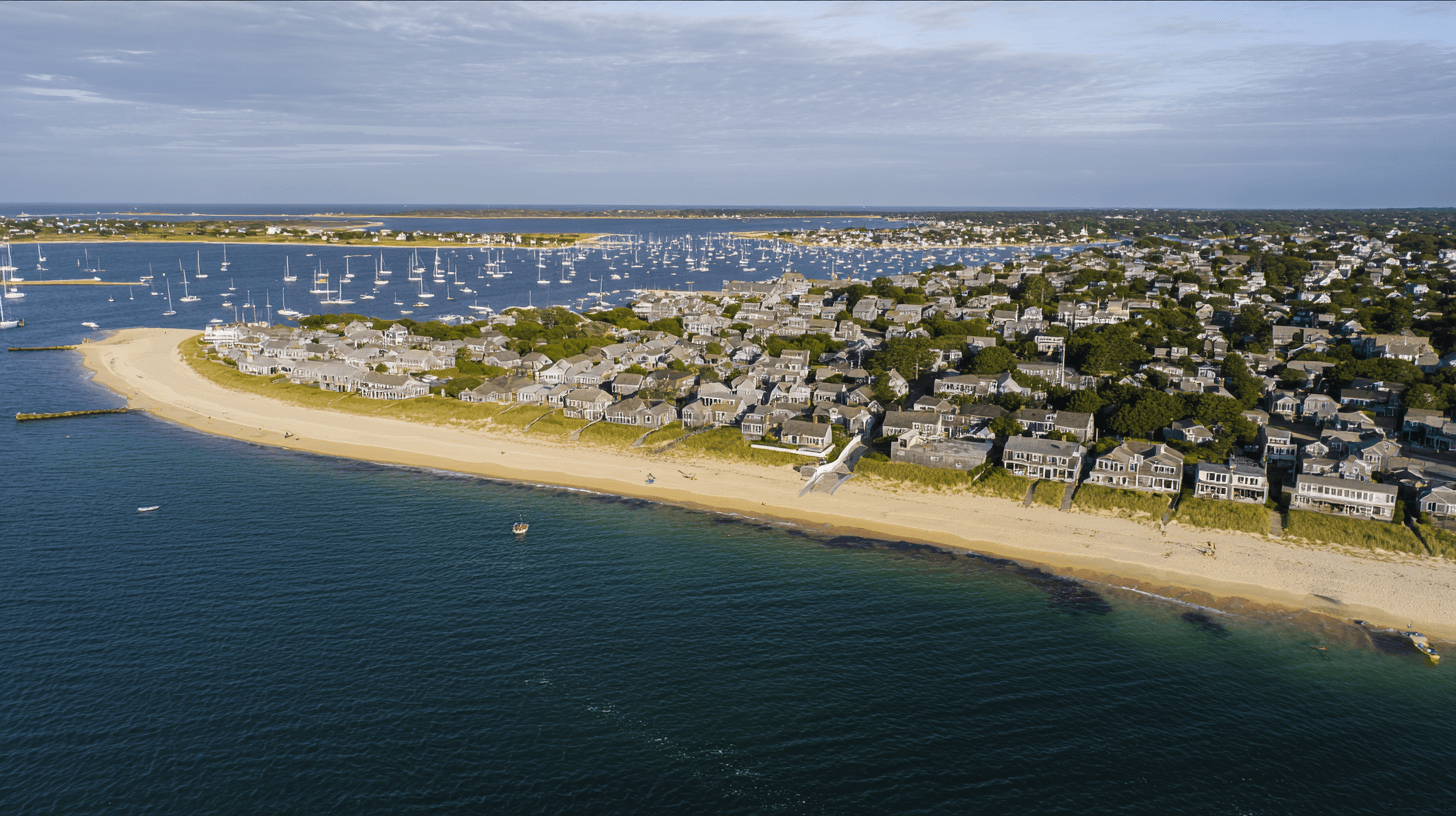
Complete guide to Nantucket vacation rentals and second homes. Learn about rental market, investment potential, property management, and buying vacation rental properties on the island.
Nantucket vacation rentals offer both exceptional vacation experiences and strong investment potential. With over 1,900 monthly searches for Nantucket vacation rentals, the island's rental market attracts property owners seeking rental income and vacationers seeking memorable island experiences.
This comprehensive guide covers everything you need to know about Nantucket's vacation rental market, from understanding rental rates and occupancy to buying properties for rental income. Whether you're considering purchasing a vacation rental property or already own one, this guide provides insights to help you maximize your investment and provide exceptional guest experiences.
As you explore Nantucket vacation rentals, consider our investment property services for ROI analysis, current listings for available properties, and buyer resources if you're considering purchasing a vacation rental property.
Related Guides:
- Vacation Home Rentals: Owner's Guide - Essential tips for property owners
- Vacation Houses: Investment Guide - ROI analysis and investment strategies
- Summer Rentals: Seasonal Market - Peak season booking guide
- Island Vacation Rentals - Complete island rental experience
Understanding Nantucket's Vacation Rental Market
Market Size and Demand
Nantucket's vacation rental market is substantial, reflecting the island's reputation as a premier destination. The market includes thousands of rental properties, from downtown condominiums to waterfront estates, catering to diverse vacation preferences and budgets.
Market Characteristics:
- Strong demand during peak season (June-August)
- Growing shoulder season demand (May, September, October)
- Year-round rental potential for some properties
- High occupancy rates for well-located, well-maintained properties
Demand for Nantucket vacation rentals remains strong due to:
- Island's reputation as a luxury destination
- Historic character and natural beauty
- Proximity to major metropolitan areas
- Diverse property types and price points
- Strong rental income potential for owners
Rental Rates by Season
Rental rates vary significantly by season, property type, and location:
Peak Season (June-August):
- Downtown condos: $3,000-$8,000 per week
- Single-family homes: $5,000-$15,000 per week
- Waterfront properties: $10,000-$30,000+ per week
- Luxury estates: $20,000-$50,000+ per week
Shoulder Season (May, September, October):
- Rates typically 40-60% of peak season
- Strong demand for long weekends and events
- More availability than peak season
Off-Season (November-April):
- Rates typically 20-40% of peak season
- Limited demand, primarily for holidays and events
- Some properties transition to long-term rentals
Factors Affecting Rental Rates:
- Location (downtown, waterfront, beach access)
- Property size and amenities
- Condition and presentation
- Proximity to attractions and amenities
- Property management quality
Occupancy Rates
Well-located, well-maintained Nantucket vacation rentals typically achieve:
- Peak Season: 85-95% occupancy
- Shoulder Season: 50-70% occupancy
- Off-Season: 20-40% occupancy (or transition to long-term)
Factors Affecting Occupancy:
- Property location and appeal
- Marketing effectiveness
- Pricing strategy
- Property condition and amenities
- Guest reviews and reputation
- Property management quality
Properties in prime locations (downtown, waterfront, beach access) typically achieve higher occupancy rates than inland properties. Well-maintained properties with modern amenities and strong guest reviews also perform better.
Property Types in the Rental Market
Nantucket's vacation rental market includes diverse property types:
Condominiums: Downtown condos offer walkability and convenience, appealing to vacationers seeking easy access to shops, restaurants, and attractions. These properties typically rent well due to location and low maintenance requirements.
Single-Family Homes: Single-family homes offer space and privacy, appealing to families and groups. Properties with multiple bedrooms, outdoor spaces, and amenities (pools, decks, etc.) command premium rental rates.
Waterfront Properties: Harbor, bay, and oceanfront properties command the highest rental rates due to views, access, and lifestyle opportunities. These properties appeal to vacationers seeking exceptional experiences.
Historic Properties: Historic cottages and homes offer character and charm, appealing to vacationers seeking authentic Nantucket experiences. These properties often rent well despite potentially smaller sizes or fewer modern amenities.
For detailed information about rental income potential for specific property types, request an investment analysis.
Types of Vacation Rentals
Short-Term Vacation Rentals
Short-term rentals (weekly or less) represent the majority of Nantucket's vacation rental market:
Weekly Rentals: Most common during peak season, offering vacationers full week stays. These rentals typically offer the highest rates and require less turnover than shorter stays.
Weekend Rentals: Popular during shoulder season and long weekends, offering 2-3 night stays. These rentals appeal to vacationers seeking shorter getaways.
Event Rentals: Properties rent for weddings, festivals, and special events, often commanding premium rates for specific dates. These rentals require advance planning and coordination.
Characteristics:
- Higher rental rates per night
- More frequent turnover and cleaning
- Requires active management
- Strong demand during peak season
Seasonal Rentals
Seasonal rentals offer longer-term stays, typically for the full summer season:
Full Summer Season: Properties rent for the entire summer (June-August or May-September), offering stability and reduced turnover. These rentals appeal to vacationers seeking extended stays.
Shoulder Season Rentals: Properties rent for spring or fall seasons, offering longer stays at lower rates than peak season weekly rentals.
Characteristics:
- Lower per-night rates but guaranteed income
- Less turnover and management
- Appeals to vacationers seeking extended stays
- Reduces peak season availability
For detailed summer rental strategies, see our Nantucket Summer Rentals guide and Peak Season Guide.
Year-Round Rentals
Some properties transition to year-round rentals during off-season:
Long-Term Rentals: Properties rent to year-round residents or seasonal workers, offering stable monthly income. These rentals typically generate lower income than vacation rentals but provide consistency.
Corporate Rentals: Properties rent to businesses for employee housing or corporate retreats, offering longer-term stays at premium rates.
Characteristics:
- Stable monthly income
- Less management and turnover
- Lower income potential than vacation rentals
- Appeals to different tenant base
For year-round and holiday rental opportunities, explore our Nantucket Holiday Rentals guide.
Best Neighborhoods for Vacation Rentals
Downtown Nantucket
Downtown Nantucket offers exceptional rental potential due to walkability and proximity to attractions:
Rental Advantages:
- Walkability to shops, restaurants, galleries
- Proximity to harbor and ferry terminal
- Vibrant community and activities
- Strong demand from vacationers
Typical Rental Rates:
- Condos: $3,000-$8,000/week (peak season)
- Single-family homes: $5,000-$12,000/week (peak season)
Occupancy: Typically 85-95% during peak season
Best For: Vacationers seeking convenience and walkability
Explore downtown properties or view downtown listings if you're considering purchasing a vacation rental property.
Siasconset (Sconset)
Sconset offers village charm and ocean views, appealing to vacationers seeking authentic Nantucket experiences:
Rental Advantages:
- Village character and charm
- Ocean views and beach access
- Quieter than downtown
- Strong appeal to repeat visitors
Typical Rental Rates:
- Cottages: $4,000-$10,000/week (peak season)
- Oceanfront properties: $8,000-$20,000/week (peak season)
Occupancy: Typically 80-90% during peak season
Best For: Vacationers seeking village atmosphere and ocean access
Learn more about Sconset properties or view Sconset listings.
Brant Point
Brant Point offers harbor views and proximity to downtown, commanding premium rental rates:
Rental Advantages:
- Harbor views and proximity
- Prestigious location
- Easy access to downtown
- Strong appeal to luxury vacationers
Typical Rental Rates:
- Harbor-view properties: $10,000-$25,000/week (peak season)
- Luxury estates: $20,000-$50,000+/week (peak season)
Occupancy: Typically 85-95% during peak season
Best For: Vacationers seeking luxury experiences and harbor views
Madaket
Madaket offers sunset views and beach access, appealing to vacationers seeking natural beauty:
Rental Advantages:
- Spectacular sunset views
- Beach access
- More affordable than downtown
- Natural beauty and privacy
Typical Rental Rates:
- Single-family homes: $4,000-$10,000/week (peak season)
- Waterfront properties: $8,000-$18,000/week (peak season)
Occupancy: Typically 75-85% during peak season
Best For: Vacationers seeking natural beauty and value
Beach Access Areas
Properties with direct beach access command premium rental rates:
Surfside: Family-friendly beach area with strong rental demand Jetties Beach: Calm waters and proximity to downtown Beach Access Premium: Properties with direct beach access typically command 20-30% higher rental rates
For detailed information about rental potential by neighborhood, request a rental market analysis or explore neighborhood guides.
Buying a Vacation Home for Rental Income
Investment Analysis
Before purchasing a Nantucket vacation rental property, conduct thorough investment analysis:
Key Metrics:
- Gross Rental Income: Annual rental income potential
- Operating Expenses: Property management, maintenance, insurance, taxes, utilities
- Net Operating Income: Gross income minus operating expenses
- Cash Flow: Net income after debt service (if financed)
- ROI: Return on investment calculation
- Cap Rate: Net operating income divided by property value
Example Analysis:
- Property Value: $4,000,000
- Annual Gross Rental Income: $120,000 (peak season + shoulder season)
- Operating Expenses: $40,000 (management, maintenance, insurance, taxes)
- Net Operating Income: $80,000
- Cap Rate: 2.0%
Considerations:
- Rental income potential varies by location and property type
- Operating expenses typically range from 25-40% of gross income
- Financing affects cash flow and ROI
- Appreciation potential adds to total return
For detailed ROI analysis, request an investment property analysis tailored to specific properties. Also see our comprehensive Vacation Houses Investment Guide and Market Analysis.
Property Selection Criteria
When selecting a vacation rental property, consider:
Location Factors:
- Proximity to attractions and amenities
- Walkability and convenience
- Views and natural beauty
- Rental demand by area
Property Features:
- Size and bedroom count
- Outdoor spaces (decks, patios, yards)
- Amenities (pools, hot tubs, etc.)
- Condition and presentation
- Parking availability
Rental Appeal:
- Property condition and maintenance
- Modern amenities and updates
- Character and charm
- Guest reviews and reputation
Properties in prime locations with desirable features typically achieve higher occupancy rates and rental income.
Financing Vacation Rental Properties
Financing options for vacation rental properties:
Second Home Loans:
- Typically 10-20% down payment
- Higher interest rates than primary residences
- Limitations on rental use (typically 14 days/year for tax benefits)
- Stricter qualification requirements
Investment Property Loans:
- Typically 20-25% down payment
- Higher interest rates than primary or second homes
- No rental limitations
- Stricter qualification requirements
Cash Purchases:
- Common in Nantucket market
- Advantages in competitive situations
- Can refinance after purchase
- No financing contingencies
Work with lenders familiar with vacation rental properties to understand options and requirements.
Property Management Options
Self-Management:
- Pros: Lower costs, direct control, personal touch
- Cons: Time commitment, availability requirements, learning curve
- Best For: Owners with time and local presence
Professional Property Management:
- Pros: Expertise, availability, marketing, guest services
- Cons: Management fees (typically 20-30% of rental income)
- Best For: Owners seeking hands-off approach or remote owners
Hybrid Approach:
- Self-manage during peak season, professional management during off-season
- Self-manage marketing and bookings, professional cleaning and maintenance
- Customize based on your availability and preferences
For property management recommendations, contact us or schedule a consultation.
Legal and Regulatory Considerations
Short-Term Rental Regulations:
- Review local regulations and requirements
- Understand licensing and permit requirements
- Comply with health and safety standards
- Understand tax obligations
Tax Considerations:
- Rental income reporting requirements
- Deductible expenses (management, maintenance, etc.)
- Depreciation benefits
- 1031 exchange opportunities
Insurance Requirements:
- Vacation rental insurance (different from standard homeowner's insurance)
- Liability coverage for guests
- Property damage coverage
- Loss of rental income coverage
Consult with legal and tax professionals to understand specific requirements and benefits for your situation.
Rental Income Potential and ROI
Typical Rental Income Ranges
Rental income varies significantly by property type, location, and management:
Downtown Condos:
- Annual Gross Income: $60,000-$120,000
- Net Operating Income: $40,000-$80,000
- Operating Expenses: 30-35% of gross income
Single-Family Homes:
- Annual Gross Income: $80,000-$200,000
- Net Operating Income: $50,000-$130,000
- Operating Expenses: 30-40% of gross income
Waterfront Properties:
- Annual Gross Income: $150,000-$400,000+
- Net Operating Income: $100,000-$280,000+
- Operating Expenses: 25-35% of gross income
Factors Affecting Income:
- Location and proximity to attractions
- Property size and amenities
- Condition and presentation
- Marketing effectiveness
- Property management quality
Operating Expenses
Typical operating expenses for vacation rental properties:
Property Management: 20-30% of rental income Maintenance and Repairs: 5-10% of rental income Insurance: 1-2% of property value annually Property Taxes: Varies by assessed value Utilities: Varies by property size and usage Marketing: 2-5% of rental income Cleaning and Turnover: $200-$500 per turnover Supplies and Amenities: $500-$2,000 annually
Total Operating Expenses: Typically 25-40% of gross rental income
Net Income Calculations
Example Calculation:
- Property Value: $4,000,000
- Annual Gross Rental Income: $120,000
- Operating Expenses (35%): $42,000
- Net Operating Income: $78,000
- Cap Rate: 1.95%
With Financing:
- Down Payment: $800,000 (20%)
- Loan Amount: $3,200,000
- Annual Debt Service: $240,000 (estimated at 7.5% interest)
- Cash Flow: -$162,000 (negative, relying on appreciation)
Considerations:
- Many vacation rental properties have negative cash flow when financed
- Investment return comes from appreciation and tax benefits
- Cash purchases improve cash flow significantly
- Rental income helps offset ownership costs
For detailed ROI analysis, request an investment property analysis.
Second Home vs. Investment Property
Second Home Considerations
Purchasing a Nantucket property as a second home offers:
Personal Use Priority:
- Use property for personal vacations
- Family and friends can enjoy property
- Flexibility in usage
Tax Benefits:
- Mortgage interest deductions (up to $750,000)
- Property tax deductions
- Limited rental use (typically 14 days/year) for full deductions
Financing:
- Second home loan rates (typically lower than investment property loans)
- Lower down payment requirements (10-20%)
- More flexible qualification requirements
Rental Limitations:
- Limited rental use for tax benefits
- Personal use requirements
- May affect rental income potential
Investment Property Considerations
Purchasing a Nantucket property as an investment offers:
Profit Maximization:
- No personal use limitations
- Maximize rental income potential
- Focus on ROI and cash flow
Tax Treatment:
- Rental income reporting
- Deductible expenses (management, maintenance, etc.)
- Depreciation benefits
- 1031 exchange opportunities
Financing:
- Investment property loan rates (typically higher)
- Higher down payment requirements (20-25%)
- Stricter qualification requirements
Management:
- Requires active management or professional services
- Focus on guest satisfaction and reviews
- Maintenance and upkeep responsibilities
Hybrid Approach
Many owners combine personal use with rental income:
Personal Use + Rental Income:
- Use property for personal vacations
- Rent property when not in personal use
- Balance personal enjoyment with income generation
Tax Implications:
- Personal use affects tax deductions
- Rental income must be reported
- Expenses allocated between personal and rental use
Best For: Owners seeking both personal enjoyment and income generation
For personalized guidance on second home vs. investment property, schedule a consultation.
Property Management and Operations
Self-Management
Self-managing your Nantucket vacation rental requires:
Time Commitment:
- Marketing and listing management
- Guest communication and booking
- Cleaning and turnover coordination
- Maintenance and repairs
- Guest services and support
Skills Needed:
- Marketing and photography
- Guest communication
- Property maintenance knowledge
- Local knowledge and resources
Tools and Resources:
- Vacation rental platforms (VRBO, Airbnb, etc.)
- Property management software
- Cleaning and maintenance services
- Local contacts and resources
Pros:
- Lower costs (no management fees)
- Direct control over property
- Personal touch for guests
- Learning experience
Cons:
- Significant time commitment
- Requires local presence or reliable local contacts
- Learning curve for effective management
- Availability requirements
Professional Property Management
Professional property management provides:
Services Typically Included:
- Marketing and listing management
- Guest communication and booking
- Cleaning and turnover coordination
- Maintenance and repairs
- Guest services and support
- Financial reporting
Costs:
- Management fees: 20-30% of rental income
- Additional fees for specific services
- Cleaning and maintenance costs (passed through)
Benefits:
- Expertise and experience
- 24/7 availability for guests
- Established marketing channels
- Local knowledge and resources
- Reduced time commitment for owners
Best For:
- Remote owners
- Owners seeking hands-off approach
- Properties requiring active management
- Owners with multiple properties
For property management recommendations, contact us.
Marketing Your Rental
Effective marketing maximizes rental income:
Listing Platforms:
- VRBO (Vacation Rentals By Owner)
- Airbnb
- Booking.com
- Direct bookings through your website
Photography:
- Professional photography essential
- Highlight property features and amenities
- Showcase location and views
- Include interior and exterior photos
Pricing Strategy:
- Research comparable properties
- Adjust rates by season and demand
- Offer early booking discounts
- Consider last-minute pricing strategies
Guest Communication:
- Respond promptly to inquiries
- Provide clear property information
- Set expectations appropriately
- Maintain professional communication
Common Questions About Nantucket Vacation Rentals
How much can I earn from a Nantucket vacation rental?
Rental income varies significantly by property type, location, and management. Well-located properties typically generate $60,000-$200,000+ annually in gross rental income, with net income after expenses typically 60-75% of gross income.
What are the best months for rentals?
Peak season (June-August) generates the highest rental rates and occupancy. Shoulder season (May, September, October) offers strong demand at lower rates. Off-season (November-April) has limited demand except for holidays and events.
Do I need a property manager?
Property management depends on your availability, expertise, and preferences. Self-management saves costs but requires significant time. Professional management provides expertise and availability but costs 20-30% of rental income.
What are the regulations for short-term rentals?
Nantucket has regulations governing short-term rentals, including licensing requirements, health and safety standards, and tax obligations. Review local regulations and consult with professionals to ensure compliance.
How do I price my rental?
Research comparable properties, consider location and amenities, adjust by season and demand, and monitor market conditions. Professional property managers can provide pricing guidance based on market knowledge.
What amenities are most important?
Amenities that enhance rental appeal include: Wi-Fi, air conditioning, outdoor spaces, parking, modern kitchens and bathrooms, and proximity to attractions. Waterfront properties and beach access command premium rates.
Can I use my vacation home personally?
Yes, many owners use their properties for personal vacations while renting when not in use. Personal use affects tax deductions, so consult with a tax professional to understand implications.
For answers to specific questions, contact us or schedule a consultation.
Ready to Invest in Nantucket Vacation Rentals?
Nantucket vacation rentals offer exceptional opportunities for both rental income and personal enjoyment. The island's strong demand, limited inventory, and premium location create conditions that support property values and rental income potential.
Whether you're considering purchasing a vacation rental property or already own one, understanding the market, rental potential, and management options helps you maximize your investment and provide exceptional guest experiences.
Next Steps:
- View Available Properties - Browse vacation rental investment opportunities
- Buying Your Island Retreat - Complete guide to purchasing vacation homes
- Owner's Guide - Essential tips for rental property owners
- Get ROI Analysis - Understand rental income potential for specific properties
- Schedule Consultation - Discuss your vacation rental goals
- Explore Neighborhoods - Learn about areas with strong rental potential
- Contact Us - Ask questions or discuss your investment goals
Our local expertise helps you navigate the Nantucket vacation rental market and make informed decisions about property selection, management, and investment strategy. Whether you're just beginning your search or ready to purchase, we're here to help you succeed in the Nantucket vacation rental market.
Work with a Nantucket Expert
Looking for your Nantucket home? John Trudel has been helping buyers find their perfect island property for over 29 years. With deep local knowledge of every neighborhood, pricing trend, and historic consideration, he provides the guidance you need to make a confident decision.
Schedule a consultation to discuss your goals, or browse current listings to start exploring.