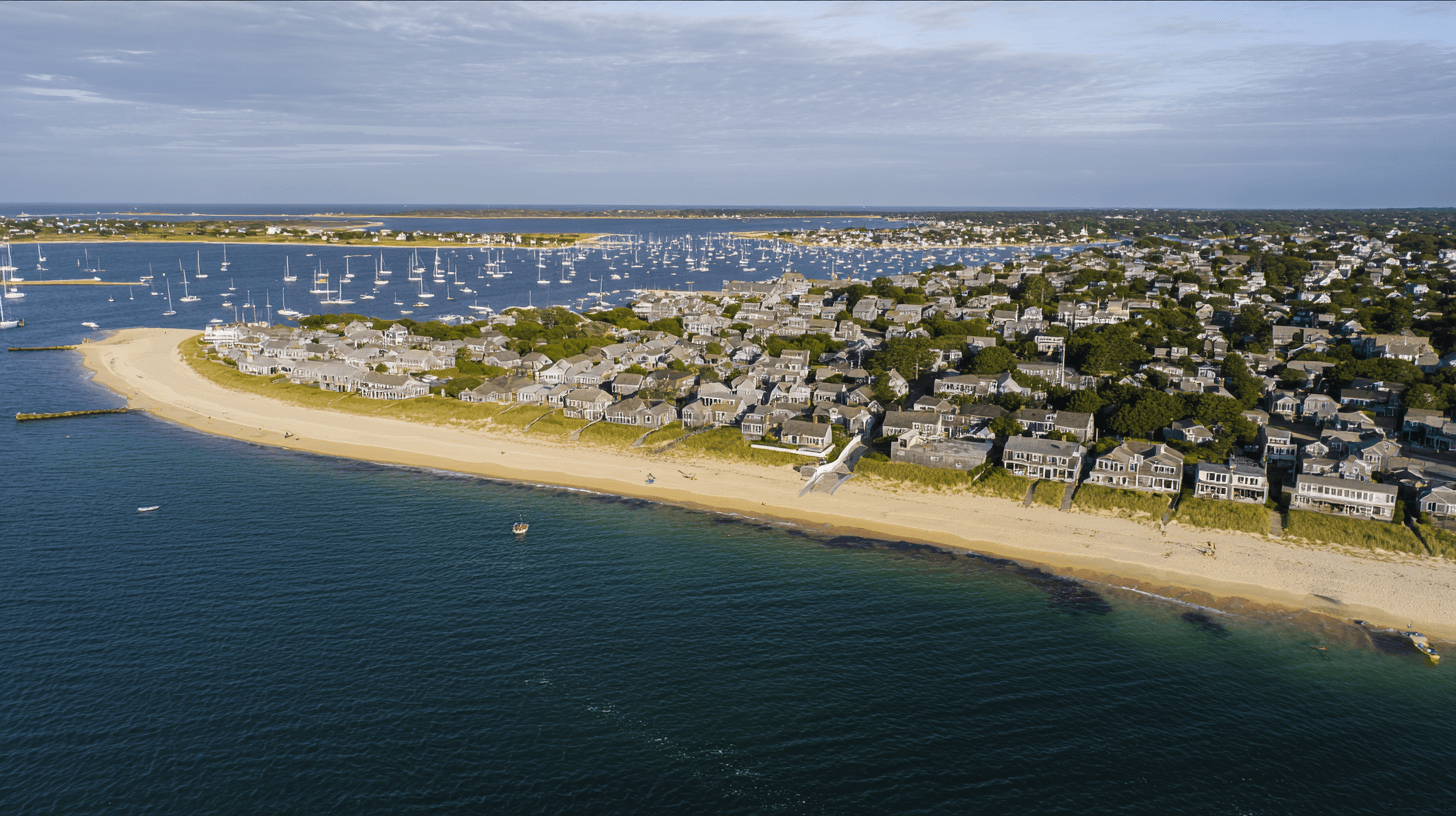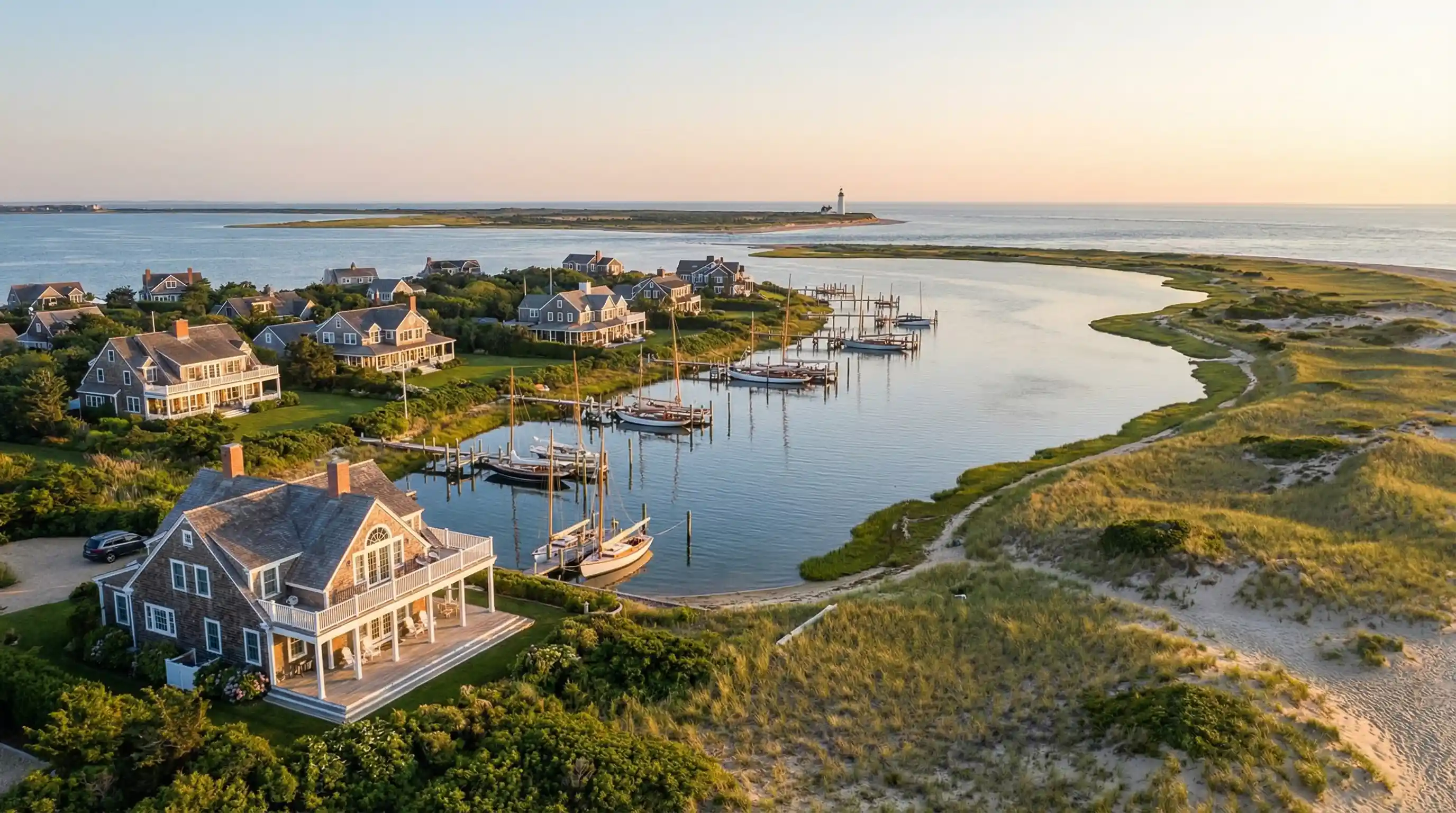
Market analysis of vacation rentals on Nantucket. Understand demand drivers, pricing trends, occupancy rates, and future outlook for the island rental market.
Understanding vacation rentals on Nantucket requires market analysis. With over 320 monthly searches for vacation rentals on Nantucket, both investors and renters seek insights into the island's rental dynamics.
This analysis covers market size, demand patterns, pricing trends, and future outlook. Whether you're evaluating investment opportunities or planning rentals, data-driven insights support better decisions.
For comprehensive rental guidance, reference our complete vacation rentals guide and market reports.
Market Size and Scope
Nantucket's vacation rental market represents a significant portion of the island's economy and real estate activity.
Market Overview:
- Estimated 1,500+ vacation rental properties
- Mix of owner-managed and professionally managed
- Properties range from studios to 10+ bedroom estates
- Annual gross rental revenue estimated $150+ million
Property Distribution:
- Downtown/Town: 30% of inventory
- Outer areas (Sconset, Madaket, etc.): 50% of inventory
- Premium waterfront: 20% of inventory
Market Participants:
- Individual property owners
- Professional management companies
- Real estate investors
- Multi-property owners
Demand Drivers
Several factors drive consistent demand for Nantucket vacation rentals.
Primary Demand Drivers:
- Location: 26 miles offshore creates unique escape
- Exclusivity: Limited access maintains prestige
- Natural Beauty: Beaches, moors, wildlife
- Historic Character: Preserved whaling village
- Safety: Low crime, family-friendly environment
Visitor Demographics:
- Affluent families (primary segment)
- Multi-generational groups
- Couples seeking romantic getaways
- Corporate retreat groups
- Repeat visitors (high loyalty)
Geographic Sources:
- Boston metro area (largest source)
- New York/Connecticut corridor
- Philadelphia region
- National and international visitors
Understanding demand helps owners position properties effectively.
Supply Analysis
Limited supply relative to demand characterizes the Nantucket rental market.
Supply Constraints:
- Island geography limits development
- Strict building regulations
- Historic preservation requirements
- High property values reduce turnover
- Year-round housing needs compete
Property Types by Supply:
| Property Type | Approx. Supply | Availability | |--------------|----------------|--------------| | Downtown condos | 200+ | High demand | | Single-family homes | 800+ | Moderate supply | | Waterfront | 300+ | Limited supply | | Luxury estates | 100+ | Very limited |
New Supply:
New construction is extremely limited, maintaining supply constraints that support pricing power.
Pricing Trends
Rental pricing on Nantucket has shown consistent strength with seasonal variations.
Historical Pricing Trends:
- Annual rate increases of 3-5% on average
- Strong recovery post-2020
- Premium properties outperforming
- Shoulder season gaining value
Current Peak Season Rates:
- Entry-level properties: $3,000-$5,000/week
- Mid-range homes: $5,000-$10,000/week
- Premium properties: $10,000-$20,000/week
- Luxury estates: $20,000-$50,000+/week
Pricing Factors:
- Location (downtown, waterfront premium)
- Property size and bedroom count
- Amenities and condition
- Views and outdoor spaces
- Marketing and reviews
For specific property analysis, request a market consultation.
Occupancy Rates
Occupancy patterns reflect seasonal demand and property positioning.
Seasonal Occupancy:
| Season | Typical Occupancy | Notes | |--------|-------------------|-------| | Peak (June-Aug) | 85-95% | Near-full occupancy | | Shoulder (May, Sep-Oct) | 50-70% | Growing demand | | Off-season (Nov-Apr) | 20-40% | Holiday spikes |
Factors Affecting Occupancy:
- Property location and appeal
- Pricing strategy effectiveness
- Marketing quality
- Guest reviews and ratings
- Property condition
High-Performing Properties:
Properties achieving above-average occupancy typically feature:
- Prime locations
- Strong online presence
- Competitive pricing
- Excellent reviews
- Modern amenities
Regulatory Impact
Short-term rental regulations affect market dynamics.
Current Regulatory Environment:
- Registration requirements for rentals
- Health and safety standards
- Tax collection obligations
- Zoning considerations
Market Implications:
- Regulation creates more professional market
- Compliance costs factored into pricing
- Underground rentals reduced
- Market transparency improved
Future Considerations:
- Potential for additional regulations
- Year-round housing concerns
- Community impact discussions
- Tourism management strategies
Future Outlook
The Nantucket vacation rental market shows positive indicators for continued strength.
Positive Factors:
- Limited supply maintains pricing power
- Strong repeat visitor base
- Growing shoulder season demand
- Island appeal enduring
- Infrastructure improvements
Challenges:
- Rising property costs affect entry
- Regulatory uncertainty
- Competition from other destinations
- Climate and storm considerations
- Year-round housing pressure
2025-2026 Projections:
- Continued rate appreciation (3-5% annually)
- Shoulder season growth
- Premium segment outperformance
- Professional management increasing
For investment analysis, schedule a consultation.
Common Market Questions
Is the Nantucket rental market saturated?
No. Limited supply and strong demand maintain favorable conditions for well-positioned properties. Quality properties in good locations continue performing well.
What returns can I expect?
Gross rental yields typically range 2-4% of property value, with total returns including appreciation reaching 5-8% annually over time.
Is now a good time to invest?
Market fundamentals remain strong, though high property prices require careful analysis. Focus on well-located properties with strong rental appeal.
Ready for Market-Driven Decisions?
Understanding the vacation rental market on Nantucket helps investors and renters make informed decisions. Data-driven analysis supports property selection, pricing strategy, and investment timing.
Next Steps:
- View Available Properties - Browse investment opportunities
- Get Market Report - Current market data
- Request Analysis - Property-specific insights
- Schedule Consultation - Discuss market opportunities
- Contact Us - Ask market questions
Work with a Nantucket Expert
Looking for your Nantucket home? John Trudel has been helping buyers find their perfect island property for over 29 years. With deep local knowledge of every neighborhood, pricing trend, and historic consideration, he provides the guidance you need to make a confident decision.
Schedule a consultation to discuss your goals, or browse current listings to start exploring.