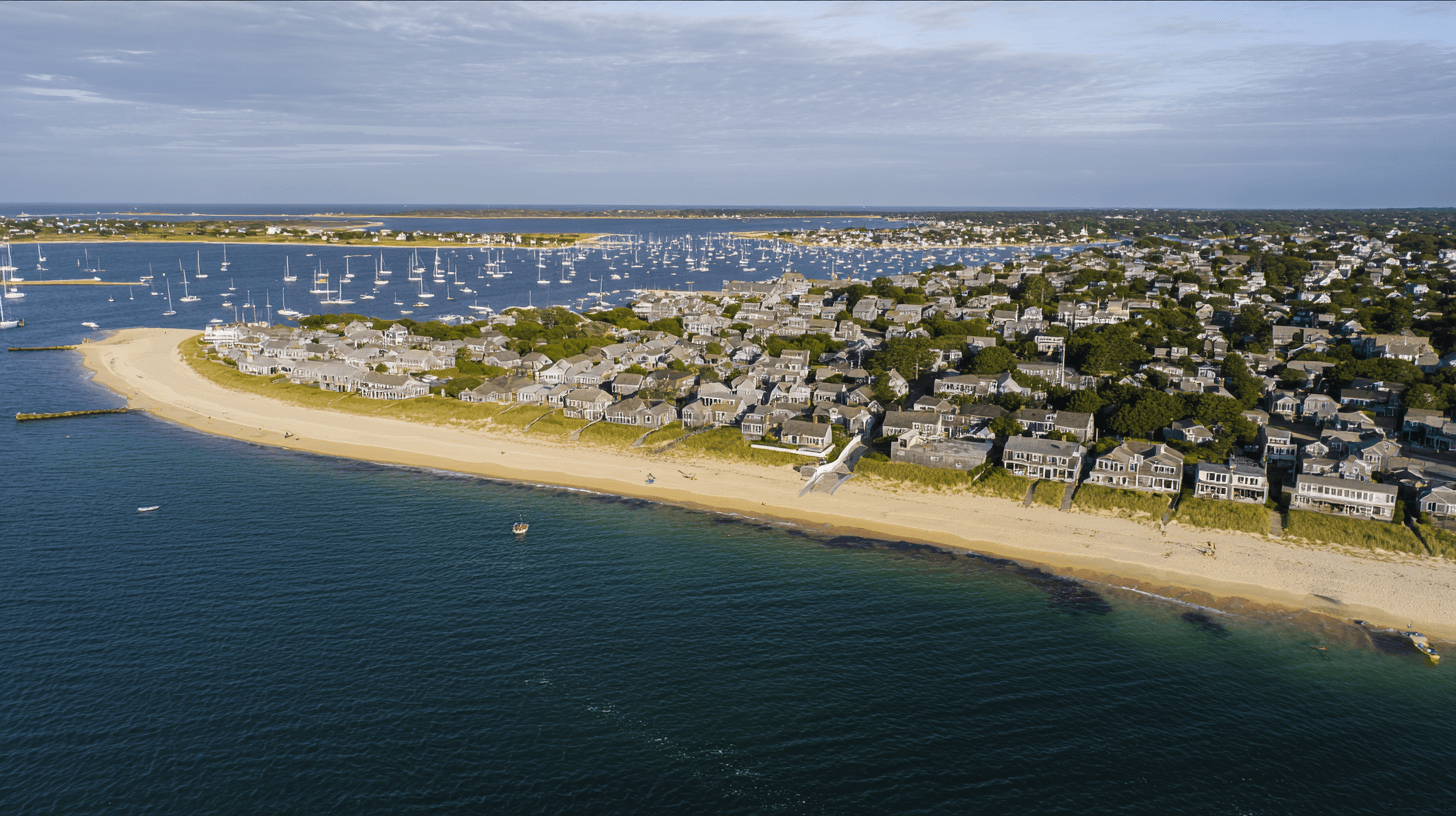
Understand how Nantucket's maritime climate shapes island living and real estate decisions. Seasonal weather patterns, storm preparedness, and what buyers need to know about the Grey Lady's year-round conditions.
Nantucket weather shapes every aspect of island life, from the activities you enjoy each season to the properties that hold their value over decades. Known affectionately as the "Grey Lady of the Sea," Nantucket sits 26 miles off the Massachusetts coast in the open Atlantic, giving it a maritime climate distinct from the mainland. For anyone considering a move or a property purchase, understanding the island's weather patterns is essential to making informed real estate decisions.
This guide breaks down Nantucket's climate season by season, covers storm preparedness, and explains how weather directly influences property values and daily life. For broader context on what makes island living unique, see our complete guide to Nantucket island life.
Nantucket's Maritime Climate
Nantucket's position in the open Atlantic creates a maritime climate moderated by the surrounding ocean. Water temperatures change slowly compared to air, which means the island stays warmer than the mainland in winter and cooler in summer. Average temperatures range from 26 degrees Fahrenheit in the coldest weeks of January to 75 degrees Fahrenheit in the warmest days of August, with the ocean acting as a thermal buffer year-round.
This moderation is one reason Nantucket appeals to year-round residents and seasonal homeowners alike. Summers rarely feel oppressively hot, and winters, while brisk, avoid the extreme cold that hits inland New England. The trade-off is wind. Atlantic breezes define the island experience, ranging from pleasant summer gusts to powerful winter gales reaching 19 miles per hour or more on average.
Seasonal Weather Patterns
Spring (March through May)
Spring arrives slowly on Nantucket. March retains winter's chill with highs in the mid-40s, but by May, daily temperatures reach the comfortable 60s. The transition is gradual. Daffodils blanket the island in April, signaling the shift. Rainfall is moderate, with March and April each averaging around 3.5 inches.
For buyers, spring is strategically important. Inventory typically increases as sellers prepare for the summer market, and properties show well as the island greens up. Neighborhoods like downtown Nantucket and Sconset come alive with returning seasonal residents.
Summer (June through August)
Summer is Nantucket's peak season. Daytime highs reach the mid-70s, with occasional days touching the low 80s. Evenings cool to the low 60s, making for comfortable sleeping without air conditioning in most properties. Ocean water temperatures climb from around 60 degrees Fahrenheit in June to the upper 60s by August.
June mornings often start with the island's signature fog, which typically burns off by midday. July and August bring the longest days, with over 15 hours of daylight and an average of 10 hours of sunshine daily. Humidity is noticeable but manageable, with August being the most muggy month.
This is when Nantucket's rental market peaks. Properties in prime locations generate significant seasonal income, a key consideration for investment buyers. Explore current options in our Nantucket homes for sale guide, and browse all the things to do during summer on Nantucket.
Fall (September through November)
Many year-round residents consider fall Nantucket's finest season. September maintains summer warmth with highs in the low 70s, while the crowds thin considerably. October brings crisp days in the low 60s and foliage color across the moors. By November, temperatures drop to the 50s and the island settles into its quieter rhythm.
Rainfall picks up in fall, with October and November each averaging close to 3.8 inches. This is also the beginning of storm season. Tropical systems occasionally track through in September and October, though direct hits are uncommon.
Fall is an excellent time to evaluate properties. You see the island as year-round residents experience it, without the summer veneer. The neighborhoods guide can help you understand which areas suit a year-round lifestyle versus seasonal use.
Winter (December through February)
Nantucket winter weather is defined by wind, rain, and a certain raw beauty that draws a devoted community of year-round residents. Temperatures hover in the 30s to low 40s, with January lows dipping into the low 20s on the coldest nights. The island averages roughly 23 inches of snow annually, though accumulation rarely lasts long. The ocean's moderating effect means Nantucket typically gets less snow than Boston or Cape Cod.
Winter is the rainiest period, with December averaging about 3.6 inches of precipitation. Wind chill is the real factor. Winter winds frequently gust above 30 miles per hour, making exposed locations feel significantly colder than sheltered ones.
For property buyers, winter reveals which homes are built to handle island conditions. Insulation quality, window integrity, heating efficiency, and exposure to prevailing winds all become apparent. Properties in sheltered areas like parts of Madaket or inland locations offer more protection from winter gales.
Precipitation, Fog, and Coastal Weather
Nantucket receives approximately 48 inches of rainfall annually, distributed fairly evenly across the twelve months. There is no true dry season. Rain falls on roughly 100 days per year, with winter months seeing slightly more precipitation than summer.
Fog is perhaps the island's most distinctive weather phenomenon, earning Nantucket the "Grey Lady" nickname. Advection fog forms when warm, moist air moves over the cooler Atlantic waters surrounding the island. Summer mornings are the foggiest, particularly in June and early July, when the contrast between air and water temperatures is greatest. Fog can delay flights and slow ferry service, a practical consideration for anyone relying on daily off-island commutes.
Wind is constant. The island's flat terrain and open ocean exposure mean there are few natural windbreaks. Average wind speeds range from around 12 miles per hour in July to nearly 19 miles per hour in January. For homeowners, this means building materials, landscaping choices, and property orientation all matter. Salt spray from ocean winds accelerates wear on exterior surfaces, making maintenance a regular part of island homeownership.
Storm Preparedness: Nor'easters and Hurricanes
Living on a barrier island in the Atlantic means respecting storm season. Nantucket faces two primary storm threats: nor'easters in the fall and winter months, and tropical systems from June through November.
Nor'easters
Nor'easters are the more frequent threat, capable of bringing sustained winds above 50 miles per hour, heavy rain or snow, and significant coastal flooding. Downtown Nantucket's low-lying areas are particularly vulnerable to storm surge. The town has invested in bulkhead improvements and storm drain float valves to reduce flooding, but waterfront and harbor-adjacent properties carry higher exposure.
Hurricanes
Direct hurricane strikes on Nantucket are rare but consequential. Hurricane Bob in 1991 brought tidal surges 10 feet above normal and caused approximately 50 feet of erosion on south-facing beaches. The Great Hurricane of 1938 remains the benchmark, with category-5 intensity winds affecting all of southern New England.
Coastal Erosion
Erosion is the long-term weather-related concern that most directly affects property values. Nantucket's south shore has lost close to 200 feet of beach in some areas over recent years, and the island has lost more than five square miles of coastal land to erosion since 1887. Properties on eroding bluffs face both value risk and insurance challenges.
Buyers should research a property's setback from the shoreline, review the Town of Nantucket's coastal resiliency data, and factor flood insurance costs into their purchase calculations. Understanding erosion patterns is particularly important for waterfront properties. For guidance on cost of living considerations including insurance, see our FAQ resources.
How Weather Affects Real Estate and Island Living
Nantucket's climate influences real estate decisions in ways that mainland buyers may not anticipate.
Building standards matter. The island's Historic District Commission (HDC) governs exterior modifications, but beyond aesthetics, weather drives construction choices. Cedar shingle siding weathers gracefully in salt air. Impact-resistant windows withstand storms. Proper drainage prevents flooding. Well-built properties command premiums because they perform in island conditions.
Location within the island matters. Properties on the exposed south shore face different weather conditions than those in the sheltered harbor area or the interior. Madaket offers spectacular sunsets but full exposure to westerly winter storms. Sconset sits on the eastern bluff with ocean breezes and erosion considerations. Downtown provides shelter and walkability but sits in a lower elevation zone vulnerable to flooding.
Seasonal access affects lifestyle. Fog, wind, and storms can disrupt ferry and flight schedules. Year-round residents build flexibility into their travel plans. This is covered in depth in our moving to Nantucket relocation guide.
The climate is the lifestyle. Beach days, sailing, fishing, and outdoor dining define summer. Cozy restaurants, quiet beaches, and close-knit community events define winter. The weather creates the rhythm that residents love about island life.
Frequently Asked Questions
What is the best time of year to visit Nantucket?
Summer, from June through August, offers the warmest weather with highs in the mid-70s and the fullest calendar of events and activities. However, September and early October provide pleasant temperatures, fewer crowds, and lower accommodation costs, making early fall an ideal time for prospective buyers to explore the island and evaluate properties.
How cold does Nantucket get in winter?
Nantucket winter temperatures typically range from the low 20s to the low 40s Fahrenheit. January is the coldest month. Wind chill frequently makes it feel colder, particularly in exposed coastal locations. However, the ocean's moderating effect means Nantucket winters are milder than inland Massachusetts, with less snow accumulation and fewer extreme cold snaps.
Does Nantucket get hurricanes?
Nantucket can be affected by tropical storms and hurricanes, though direct landfalls are infrequent. The most significant recent event was Hurricane Bob in 1991. The island's emergency management system provides advance warning, and most properties are built to withstand severe weather. Buyers of waterfront properties should review flood zone designations, insurance requirements, and erosion data before purchasing.
Why is Nantucket called the Grey Lady?
Nantucket earned the nickname "Grey Lady of the Sea" for two reasons: the frequent fog that rolls in off the Atlantic, particularly during summer mornings, and the weathered gray cedar shingles that characterize the island's architecture. Both are products of the maritime climate and have become defining features of Nantucket's identity.
How does Nantucket weather compare to Cape Cod?
Nantucket's island position creates a more moderate and consistent climate than Cape Cod. Summers are slightly cooler, winters slightly warmer, and snowfall is noticeably less. However, Nantucket is windier and foggier. The biggest practical difference is that weather disruptions can affect ferry and flight access, adding a layer of planning that Cape Cod residents do not face.
Plan Your Nantucket Purchase With Weather in Mind
Understanding Nantucket's climate is one piece of making a confident real estate decision on the island. Weather affects everything from which neighborhood suits your lifestyle to how a property performs over the long term.
If you are considering buying on Nantucket, whether as a year-round home, seasonal retreat, or investment property, schedule a consultation to discuss how island conditions factor into specific properties and locations. You can also contact us directly with questions about any listing or neighborhood.
Work with a Nantucket Expert
Looking for your Nantucket home? John Trudel has been helping buyers find their perfect island property for over 29 years. With deep local knowledge of every neighborhood, pricing trend, and historic consideration, he provides the guidance you need to make a confident decision.
Schedule a consultation to discuss your goals, or browse current listings to start exploring.