Practical guide to moving to Nantucket Island. Learn about housing options, island moving logistics, ferry coordination, utilities setup, cost of living, and tips for integrating into the year-round community.
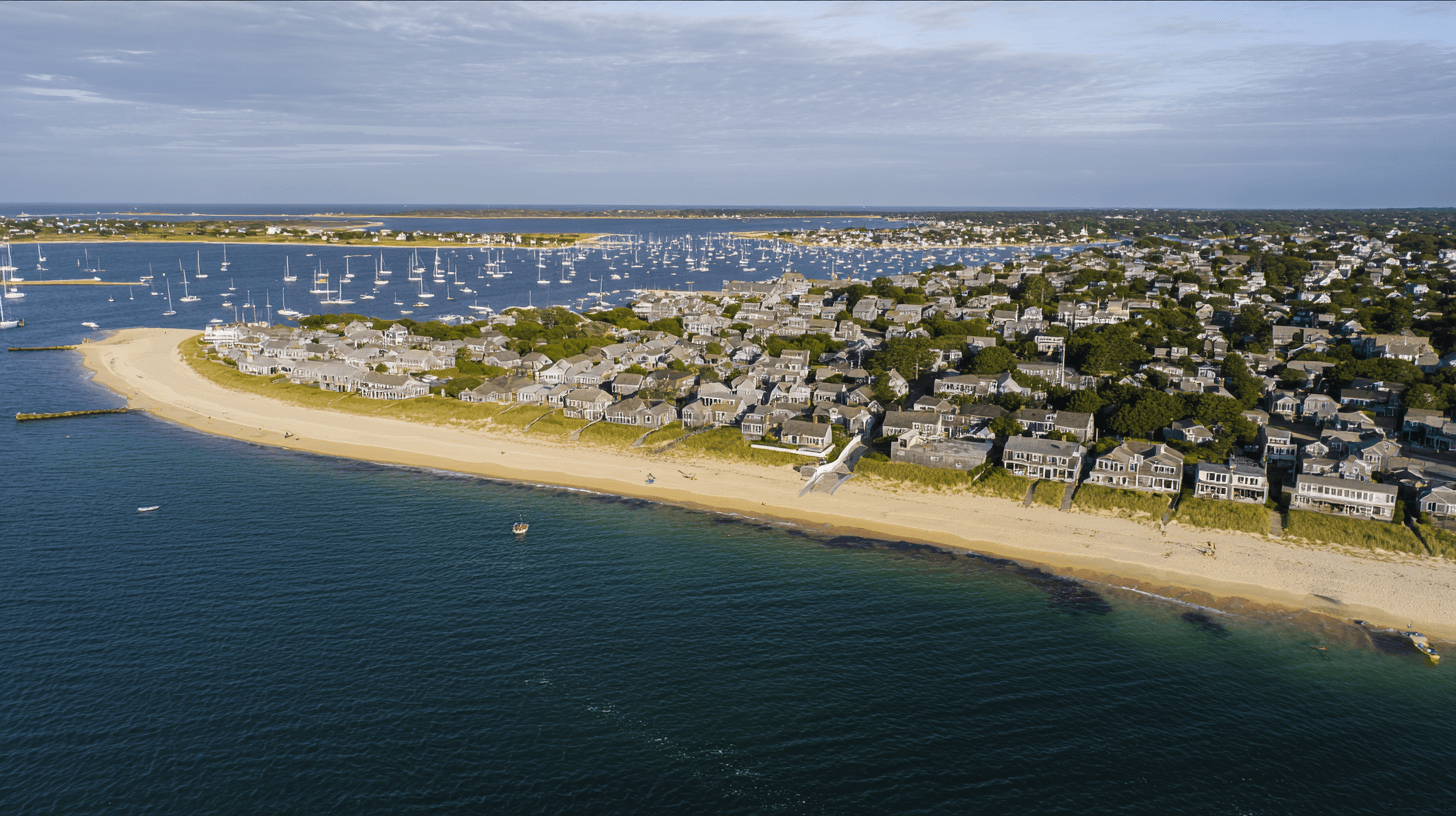
Moving to Nantucket is unlike any mainland relocation. The island sits 30 miles off the coast of Cape Cod, and everything you own must cross open ocean by ferry or barge before it reaches your new front door. That single logistical reality shapes every decision in a Nantucket relocation, from when you schedule movers to how you furnish your home.
This guide covers the practical steps of relocating to Nantucket Island, drawing on years of experience helping buyers and renters settle into island life. Whether you are purchasing a year-round home or renting while you explore the market, understanding the unique challenges of an island move helps you avoid costly surprises and start your Nantucket chapter with confidence.
For broader context on what daily life looks like once you arrive, read our Complete Guide to Island Life. For help understanding the island's distinct areas before choosing where to live, explore the Nantucket Neighborhoods Guide.
Pre-Move Planning and Research
Start planning your Nantucket relocation at least three to six months before your target move date. Ferry reservations for vehicles fill up quickly during peak season, and island-experienced moving companies book out weeks in advance. Early planning gives you the flexibility to secure the dates and services you need.
Visit Before You Commit
Spend time on the island during multiple seasons before finalizing your move. Nantucket in July and Nantucket in February are dramatically different experiences. The summer population swells from roughly 14,000 year-round residents to over 80,000, while winter brings quiet streets, limited restaurant hours, and a tight-knit community atmosphere. Our Nantucket Weather Guide provides a detailed breakdown of seasonal conditions.
Key Research Steps
- Housing: Decide whether you will rent first or purchase immediately. Inventory is limited in both markets.
- Employment: Confirm remote work arrangements or explore island job opportunities. Major employers include Nantucket Cottage Hospital, the school system, and the hospitality industry.
- Schools: If relocating with children, research enrollment timelines and programs through our Nantucket Schools Guide.
- Transportation: Understand ferry schedules, vehicle limitations, and on-island transportation options via our Nantucket Ferry Guide.
- Healthcare: Nantucket Cottage Hospital provides emergency and primary care. Specialist appointments often require travel to Cape Cod or Boston.
Finding Housing: Rental vs. Purchase
The housing decision is the most consequential choice in any Nantucket relocation. Both renting and buying carry unique considerations on an island with limited inventory and premium pricing.
Renting First
Many newcomers rent for their first year on the island. This approach lets you experience different neighborhoods, understand seasonal rhythms, and make a more informed purchase decision later. Year-round rental apartments average around $2,350 per month, while long-term house rentals range from $3,000 to $8,000 or more per month depending on size and location.
The challenge: Year-round rental inventory has decreased by roughly one-third over the past decade as properties shift to more lucrative seasonal rentals. Start your rental search early and be prepared to move quickly when you find a suitable property. Our Nantucket Homes for Rent guide covers the full rental landscape.
Purchasing a Home
Nantucket's median home price ranges from $3.5 to $4.5 million, with the market typically offering only 50 to 80 available properties at any given time. The island's strict development regulations and historic preservation requirements mean new construction is rare, making existing inventory highly valued.
Key considerations for buyers:
- Financing: Many island transactions are cash purchases. If financing, work with a lender experienced in island properties and Nantucket's unique market.
- Historic district rules: Properties within Nantucket's historic district must comply with the Historic District Commission's architectural guidelines for any exterior modifications.
- Property taxes: Nantucket's residential tax rate applies to all properties. Visit our property tax FAQ for current rates and exemption details.
- Neighborhood selection: Each area offers a distinct lifestyle. Downtown provides walkability and amenities. Sconset offers village charm and ocean views. Madaket delivers spectacular sunsets and a relaxed pace.
Explore current options in our Nantucket Homes for Sale guide, or browse available listings directly.
Logistics of Moving to an Island
This is where a Nantucket relocation diverges most sharply from a typical mainland move. Every piece of furniture, every box, and every vehicle must travel by water.
Ferry Coordination
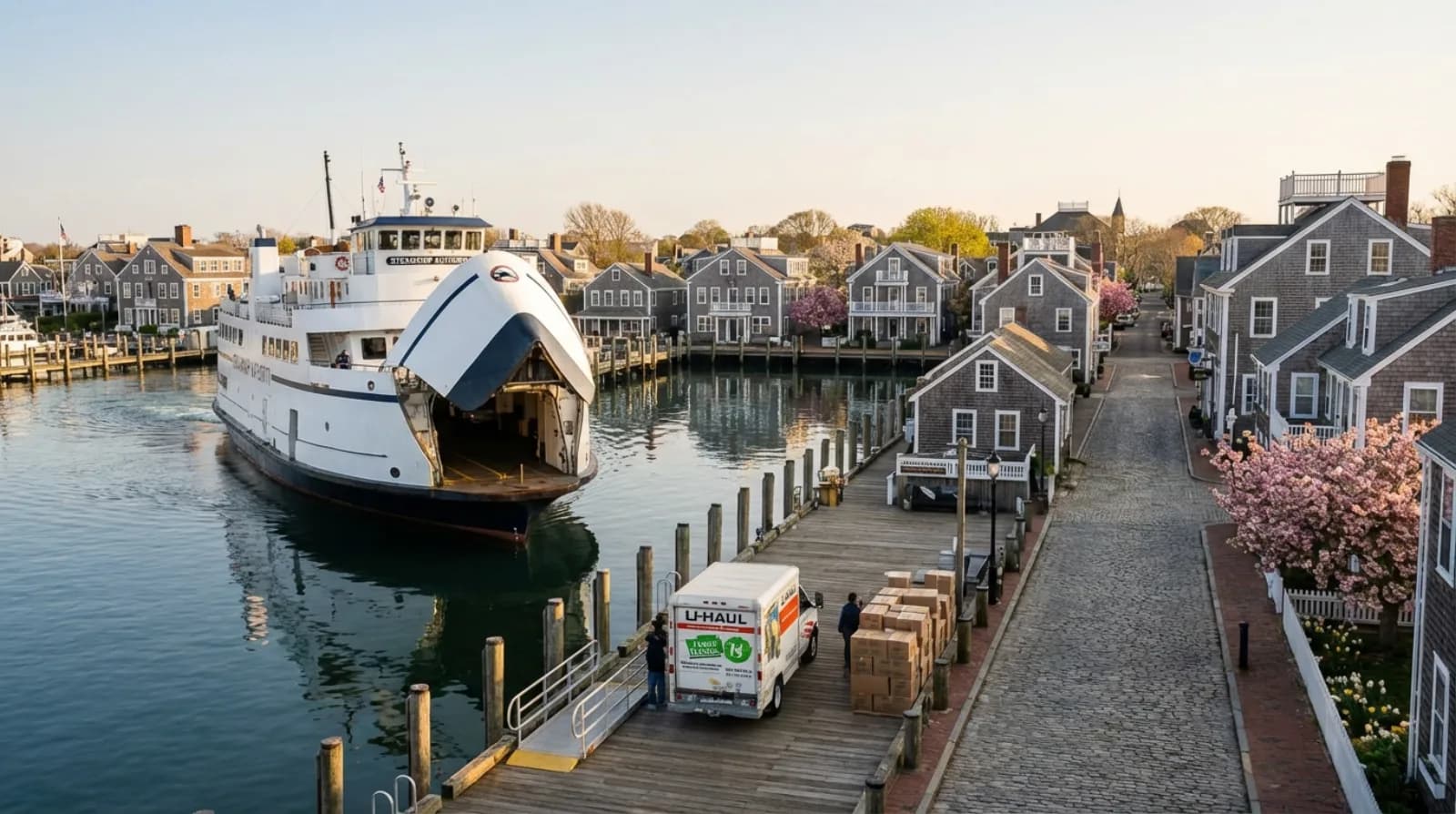
The Steamship Authority operates the only vehicle ferry service between Hyannis, Massachusetts and Nantucket. Vehicle reservations are essential and competitive, particularly between May and October. For 2026, summer vehicle reservations opened in January, and popular dates fill within hours.
Moving truck logistics: Trucks 20 feet and longer require special booking through the Steamship Authority's freight department. Contact the truck coordinators at (508) 548-5011 to reserve your slot. Plan for a round-trip vehicle fare starting around $410 for standard vehicles, with larger trucks costing significantly more.
Hiring Island-Experienced Movers
Standard mainland moving companies rarely have the expertise needed for a Nantucket move. Island-experienced movers understand ferry scheduling, narrow cobblestone streets, and the coordination required to get belongings from the Hyannis terminal to your Nantucket address.
What to look for in a mover:
- Established relationships with the Steamship Authority for ferry booking
- Experience navigating Nantucket's narrow streets and historic district restrictions
- Storage options on both the mainland and the island for split deliveries
- Familiarity with seasonal scheduling challenges
Book your movers at least four to six weeks in advance. During peak summer months, lead times can stretch even longer.
What to Ship vs. Buy on Island
Experienced relocators learn quickly that not everything is worth shipping across Nantucket Sound. Bulky, low-value items like basic furniture or large appliances can sometimes be purchased on-island or sourced through island consignment shops for less than the cost of shipping.
Worth shipping: Sentimental items, high-quality furniture, specialty equipment, and personal belongings.
Consider buying on-island: Basic household items, outdoor furniture, and standard appliances. Several island retailers and seasonal consignment sales offer quality options.
Setting Up Utilities and Services
Once your housing is secured, setting up island utilities requires contacting a handful of essential providers.
Essential Utility Contacts
| Service | Provider | Contact | |---------|----------|---------| | Electricity | National Grid | (508) 325-8000 or (800) 322-3223 | | Water | Wannacomet Water Company | (508) 228-0022 | | Internet/Cable | Comcast Xfinity | (800) 266-2278 | | Phone/Internet | Verizon | (800) 837-4966 | | Trash/Recycling | Town of Nantucket Transfer Station | Requires a sticker from Town Hall |
Additional Setup Tasks
- Vehicle registration: Register your vehicle with the Town Clerk and obtain a beach driving permit if needed.
- Voter registration: Register at the Town Clerk's Office at 16 Broad Street.
- Transfer Station sticker: Required for waste disposal. Purchase at the Town of Nantucket offices.
- Post office: The Nantucket Post Office at 5 Federal Street handles all island mail. Many residents use PO boxes.
- Banking: Several banks operate on-island, including Nantucket Bank and Cape Cod Five.
Cost of Living Considerations
Nantucket's cost of living is approximately 130% higher than the national average, driven primarily by housing costs. Understanding where the premium falls helps you budget accurately for island life.
Where Costs Are Highest
Housing is the largest expense, running roughly 318% above the national average. Beyond mortgage or rent payments, factor in higher insurance premiums for island properties and the cost of home maintenance, which is elevated due to the salt air environment and limited contractor availability.
Goods and services carry a premium because nearly everything must be shipped to the island. Grocery prices run somewhat higher than mainland Massachusetts, and specialty items may require ordering from off-island. Dining out reflects the island's premium positioning, particularly during summer season.
Transportation costs include ferry fares for off-island travel, vehicle maintenance in a salt-air environment, and higher fuel prices. Many year-round residents budget for regular ferry trips to the Cape for medical appointments, shopping, and travel connections.
For a detailed cost breakdown, visit our cost of living FAQ.
Where You Save
Island living eliminates many mainland expenses. Commuting costs drop significantly if you work on-island, as most destinations are within a short drive or bike ride. Many residents find they drive far less than they did on the mainland. The island's walkable downtown, strong community events, and natural recreation options reduce entertainment spending for those who embrace the island lifestyle.
Community Integration Tips
Moving to Nantucket means joining a close-knit year-round community that values participation, self-reliance, and mutual support. The social dynamics of a small island community differ from mainland living in meaningful ways.
Get Involved Early
- Attend Town Meeting: Nantucket's open Town Meeting is the primary form of local government and a cornerstone of community life. Attending is the fastest way to understand island issues and meet your neighbors.
- Volunteer: Organizations like the Nantucket Conservation Foundation, the Community Foundation, the Food Pantry, and dozens of nonprofits welcome new volunteers. Volunteering is the single most effective way to build relationships on the island.
- Join local groups: The Nantucket Yacht Club, garden clubs, book groups, fitness classes, and church communities all provide social connections.
- Support local businesses: Shopping at island stores, eating at year-round restaurants, and hiring local service providers builds goodwill and relationships.
Understand the Social Calendar
The island operates on two distinct social calendars. Summer brings a constant flow of visitors, events, and activity. The off-season, roughly November through April, is when the year-round community tightens and deeper relationships form. Many longtime residents say that surviving your first off-season together is what truly makes you an islander.
Be Patient
Integration into a small island community takes time. Nantucket's year-round residents have built relationships over years and sometimes generations. Approach your new community with openness, contribute before you critique, and understand that earning trust in a tight-knit community is a gradual process that rewards patience and genuine engagement.
Frequently Asked Questions
How much does it cost to move to Nantucket?
Moving costs to Nantucket typically run 40 to 60 percent higher than equivalent mainland moves due to ferry transportation, specialized logistics, and limited mover availability. A full household move from the Boston area to Nantucket generally ranges from $8,000 to $20,000 or more depending on volume, timing, and services. Ferry fares for moving trucks add $500 to $1,500 to the total depending on vehicle size.
What is the best time of year to move to Nantucket?
Late spring (April to May) and early fall (September to October) offer the best balance of manageable weather, available ferry reservations, and mover availability. Avoid moving during peak summer months (June through August) when ferry reservations are scarce and moving costs are highest. Winter moves are possible but require flexibility for weather-related ferry cancellations.
Can I bring my car to Nantucket?
Yes, but vehicle ferry reservations from Hyannis are competitive, especially during summer. Many year-round residents maintain a vehicle on-island and use a second car or rental on the mainland. Round-trip vehicle fares start at approximately $410 for standard cars. Some residents choose to rely on bikes, mopeds, and the NRTA shuttle system during warmer months.
Do I need a car on Nantucket?
For year-round residents, a vehicle is practically essential for grocery runs, off-season errands, and trips to the ferry terminal. During summer, many residents park their car and bike or walk, as traffic and parking become congested. Downtown is highly walkable, and the NRTA Wave shuttle provides seasonal public transportation across the island.
How do I find year-round housing on Nantucket?
Year-round rental housing is extremely limited on Nantucket. Start your search several months in advance and work with a local real estate agent who understands the year-round market. Employer-assisted housing programs exist for certain island positions. For purchasing, schedule a consultation to discuss available inventory and your specific needs.
Start Your Nantucket Relocation
Moving to Nantucket is a significant undertaking that rewards careful planning and local expertise. The logistics of an island relocation are more complex than a mainland move, but thousands of residents have made the transition successfully, and the lifestyle that awaits makes the effort worthwhile.
Whether you are exploring the rental market, ready to purchase, or simply researching what a move to Nantucket would involve, working with an agent who understands both the real estate market and the practical realities of island relocation makes the process smoother.
Ready to discuss your move to Nantucket? Schedule a consultation to talk through your timeline, housing needs, and relocation questions. You can also browse current listings or contact us directly to start the conversation.
Work with a Nantucket Expert
Looking for your Nantucket home? John Trudel has been helping buyers find their perfect island property for over 29 years. With deep local knowledge of every neighborhood, pricing trend, and historic consideration, he provides the guidance you need to make a confident decision.
Schedule a consultation to discuss your goals, or browse current listings to start exploring.