Nantucket's HDC controls every exterior change island-wide. Paint colors, windows, solar panels -- all need approval. How it works and mistakes to avoid.
Nantucket's historic preservation framework protects one of America's most intact collections of pre-Civil War architecture. For property owners and prospective buyers, understanding these regulations is essential. The Historic District Commission oversees all exterior modifications across the entire island, ensuring that changes respect centuries of architectural heritage.
This guide walks through the HDC process, explains what requires approval, and provides practical strategies for navigating the system successfully.
For a comprehensive overview of Nantucket's historic properties and architectural heritage, see our Complete Historic District Guide.
HDC Jurisdiction: Island-Wide Coverage
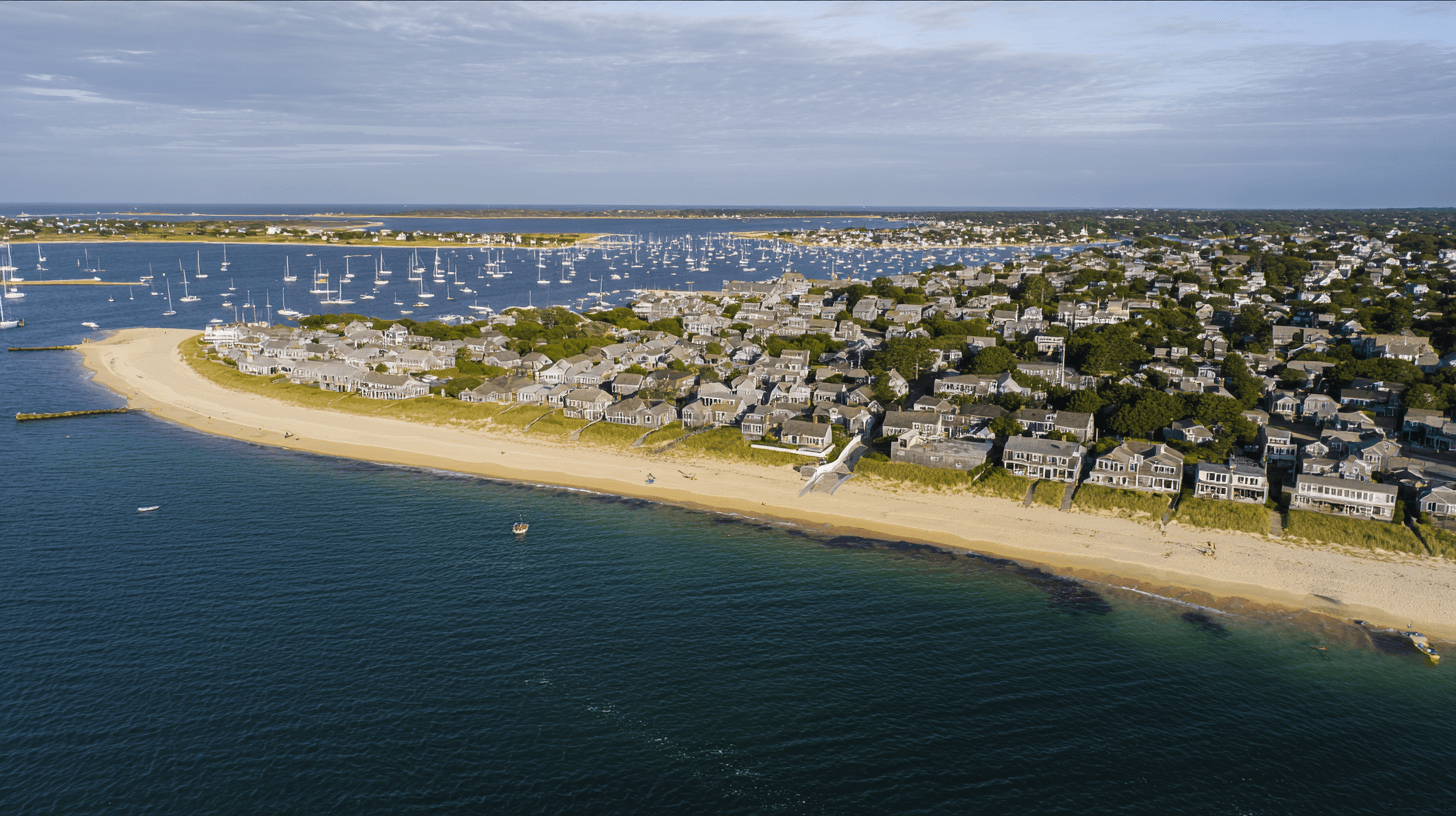
Unlike most historic districts that protect only downtown cores, Nantucket extended preservation protections to the entire island in 1972. This makes Nantucket unique among American preservation areas and explains why the island maintains such remarkable architectural consistency.
Two Zones of Protection:
The Historic District Commission operates within two overlapping zones:
Old Historic District: The original protected area, established in 1955, covering downtown Nantucket's densest concentration of historic structures. This zone carries the strictest review standards.
Historic District: The expanded zone covering the entire island, established in 1972. All exterior modifications anywhere on Nantucket fall under HDC jurisdiction.
The practical implication: whether you own a whaling captain's mansion on Main Street or a contemporary home in Tom Nevers, any exterior change visible from a public way requires HDC approval.
What Requires HDC Approval
The HDC has jurisdiction over all exterior work visible from public ways. The scope is comprehensive:
Always Requires Approval
- New construction and additions of any size
- Exterior alterations including facade changes
- Roof replacements or changes to roof form
- Window replacements or modifications
- Door replacements or new openings
- Paint colors and exterior finishes
- Siding materials and installation
- HVAC equipment placement and screening
- Solar panel installations
- Fencing and gates
- Hardscaping and significant landscape features
- Signage for commercial properties
- Sheds and accessory structures
- Demolition of any structure
Often Overlooked Items
Many property owners are surprised these also need HDC review: skylights, exterior lighting, chimney modifications, storm windows, garage doors, decks, driveways, retaining walls, and trellises.
What Does NOT Require Approval
Interior renovations (unless affecting exterior appearance), routine maintenance using identical materials, repairs that exactly match existing conditions, and interior systems.
The Certificate of Appropriateness Process
Any approved exterior modification requires a Certificate of Appropriateness (COA). Understanding this process helps set realistic project timelines.
Step 1: Application Preparation
Before submitting, gather comprehensive documentation:
- Detailed plans and specifications showing proposed changes
- Existing conditions photographs from multiple angles
- Material samples for new materials
- Color samples for paint or stain
- Site plan showing relationship to property boundaries and neighbors
- Elevation drawings for significant projects
For complex projects, engaging an architect familiar with HDC requirements saves time and improves approval odds.
Step 2: Staff Review
HDC staff reviews submitted applications for completeness. Incomplete applications are returned without being scheduled for hearing. Staff may also provide preliminary feedback on whether proposals align with guidelines.
Step 3: Public Hearing
Applications are presented at regular commission meetings. The HDC typically meets weekly during peak construction season.
Hearing Format:
- Staff presents application summary
- Applicant or representative describes project
- Commissioners ask questions
- Public comment period (abutters may speak)
- Commission deliberation and vote
Step 4: Decision
The commission may:
- Approve the application as submitted
- Approve with conditions requiring specific modifications
- Continue for additional information or design refinement
- Deny applications that fail to meet guidelines
Step 5: Building Permit
An HDC Certificate of Appropriateness is required before applying for a building permit. The COA and building permit are separate processes with separate timelines.
Typical Timelines
Simple projects (window replacement, color change, minor alterations): 2-4 weeks from submission to approval
Moderate projects (additions, significant alterations): 4-8 weeks, potentially requiring multiple hearings
Major projects (new construction, substantial renovations): 2-6 months depending on complexity and design refinement needs
Pro tip: Submit applications well before your intended construction start date. Construction season on Nantucket is short, and delays in approval can push projects to the following year.
Color Restrictions and Requirements
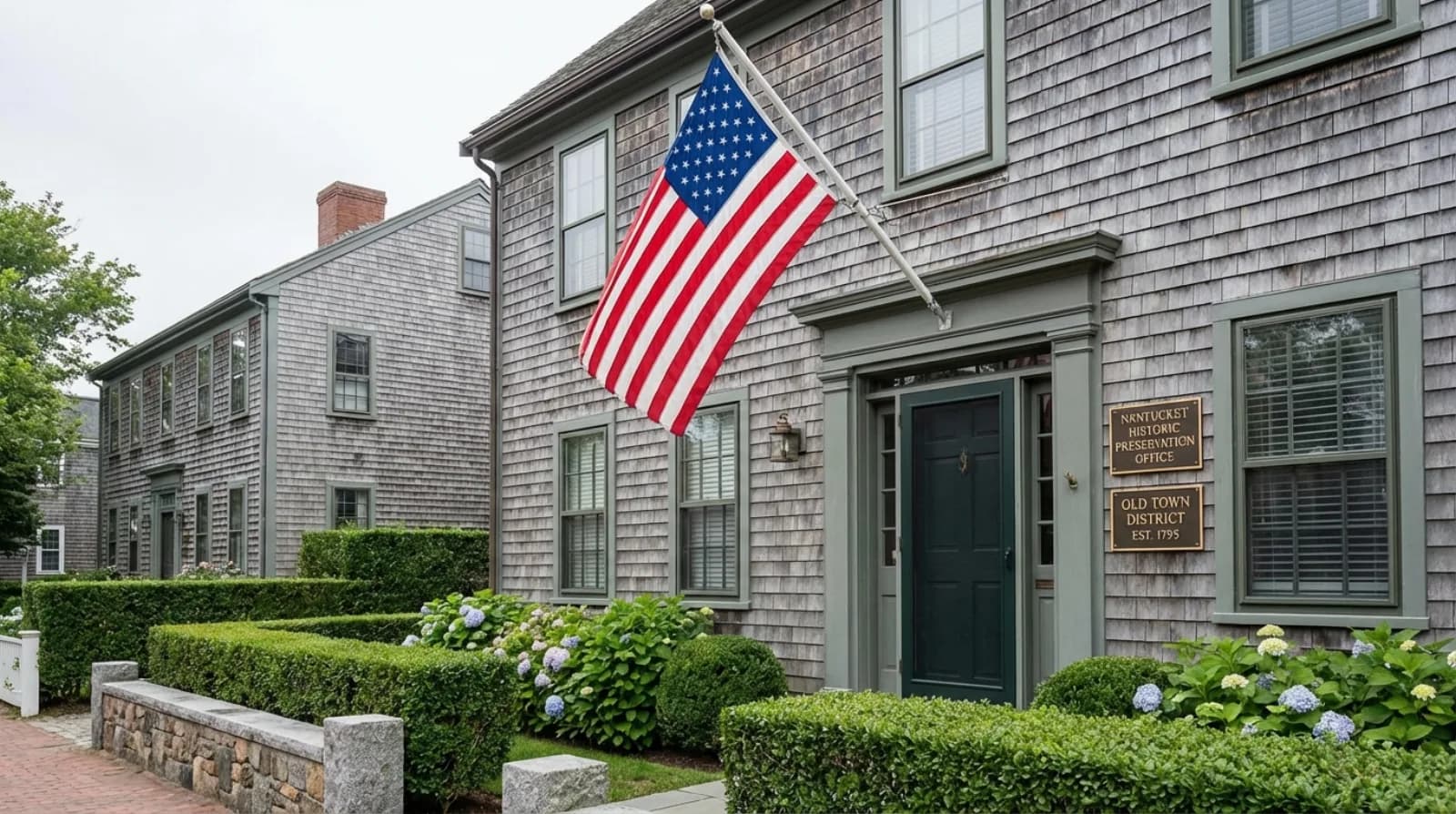
Nantucket's distinctive visual character depends significantly on its restrained color palette. The gray-shingled aesthetic that defines the island is not accidental but regulated.
Approved Exterior Colors
The HDC maintains published guidelines for acceptable colors:
Siding and Shingles:
- Natural weathered gray (most common)
- Stained grays and gray-browns
- Limited range of approved stain colors
- White is generally restricted to trim only
Trim and Details:
- White (most common)
- Off-white and cream tones
- Limited darker accent colors
- Colors must complement overall facade
Doors:
- Traditional colors appropriate to architectural period
- Bright or non-traditional colors require specific approval
- Color choices should relate to building's age and style
Roofing:
- Natural wood shingles (cedar, red cedar)
- Approved synthetic alternatives in gray/brown range
- Asphalt shingles in approved colors only
- Metal roofing generally restricted
Color Application Process
For any color change, even repainting with a new shade:
- Consult HDC's approved color guidelines
- Submit color samples with application
- Provide context photos showing neighboring properties
- Await approval before purchasing paint or stain
Common mistake: Assuming "gray" is gray. The HDC distinguishes between many shades, and unapproved grays will be denied.
Window and Door Requirements
Historic windows and doors receive particular scrutiny. These elements define architectural character more than almost any other feature.
Window Replacement Standards
The HDC strongly encourages repair over replacement. Historic windows, properly maintained, can last centuries.
When Replacement Is Approved:
- Original windows are beyond reasonable repair
- Replacement exactly matches original dimensions, profiles, and materials
- True divided lights (not snap-in grids) on historic structures
- Muntins match original thickness and profile
What Is Typically Denied:
- Vinyl or aluminum replacement windows on historic structures
- Different muntin patterns from original
- Changed window sizes or proportions
- Snap-in or between-glass grids on visible elevations
Energy Efficiency Considerations:
Historic windows can be made energy-efficient through:
- Proper weatherstripping
- Storm window addition (interior or exterior)
- Careful restoration of original components
The HDC provides guidance on balancing preservation with efficiency.
Door Requirements
- Replacement doors must match original size, proportion, and design
- Panel configurations should reflect architectural period
- Historic hardware preservation encouraged
- Screen doors and storm doors require approval
HVAC Equipment Guidelines
Modern climate control systems are permitted but must be invisible from public ways.
Placement Requirements
- Ground-mounted equipment must be screened from view
- Rooftop equipment must be concealed behind roof forms
- Window units generally prohibited on visible elevations
- Mini-split condensers require screening or concealed placement
Screening Options
Approved screening methods include:
- Fencing matching property's architectural character
- Landscaping providing year-round coverage
- Purpose-built enclosures in approved materials
- Placement in service areas not visible from public ways
Application Requirements
HVAC applications must include:
- Equipment specifications and dimensions
- Proposed location on site plan
- Screening design and materials
- Views from public ways demonstrating concealment
Signage Regulations
Commercial properties face detailed signage requirements designed to maintain Nantucket's village character.
Permitted Sign Types
The HDC recognizes numerous sign categories including:
- Wall signs (horizontal and vertical)
- Projecting signs
- Suspended signs
- Awning signs
- Window signs
- Monument signs
- Directory signs
Size Limitations
Sign sizes are strictly controlled:
Wall Signs:
- Maximum height: 2 feet
- Total area: 1 square foot per linear foot of building face
- Not to exceed 20 square feet total
Projecting Signs:
- 4-5 square feet depending on building height
- Must clear sidewalk by minimum 7 feet 6 inches
Window Signs:
- Cannot exceed 15% of window area
Material Requirements
Required materials: Wood, medium density overlay, or marine plywood with edge-banding
Prohibited materials: Particleboard, plastic, baked enamel on metal, vinyl lettering
All wood surfaces must be painted. Natural or stained wood is not permitted for signs.
Color and Design Standards
- Subdued colors strongly encouraged
- Limited number of colors per sign
- Darker backgrounds with lighter lettering preferred
- No photographic or process color artwork
- Corporate trademarks limited to 15% of sign area
Illumination Rules
- Maximum 450 lumens (equivalent to under 30-watt incandescent)
- Light sources must be shielded and directed downward
- No fluorescent lighting
- No flashing, moving, or intermittent lighting
- Internal illumination generally prohibited
Approval Process
Signs exceeding 2 feet by 6 inches, or multiple signs, require HDC approval. The Sign Advisory Council reviews applications before HDC consideration, typically within 60 days.
Solar Panel Guidelines
Nantucket permits solar installations but regulates placement to minimize visual impact.
Approved Locations and Strategies
Solar panels are permitted on roof surfaces not visible from public ways, ground-mounted systems screened from view, and flat roofs where panels lie below the roofline. Common approval strategies include rear roof slopes hidden from street view and ground-mounted arrays behind structures. Black panels are preferred over blue.
Enforcement and Appeals
The HDC has authority to enforce compliance. Unapproved work may result in stop-work orders, required removal of unauthorized modifications, fines, and legal action. Always obtain approvals before beginning work.
Applicants may appeal decisions to the Nantucket Select Board. Before formal appeal, consider requesting reconsideration with a modified design or meeting with HDC staff to understand specific concerns.
Strategies for Successful HDC Navigation
Work with experienced professionals. Local architects and contractors familiar with HDC preferences understand what has been approved previously and can anticipate commissioner concerns.
Research precedents. Understanding what has been approved for similar properties helps frame realistic proposals.
Start with pre-application consultation. HDC staff often provide preliminary feedback on project concepts before formal submission.
Be prepared to compromise. The most successful applicants approach the process collaboratively and incorporate feedback willingly.
Build adequate timeline. Never assume quick approval. Build 3-6 months of HDC process time into major project planning.
Preservation Resources
The Nantucket Preservation Trust offers homeowner resources including house interview services, maintenance guidance, and contractor recommendations. For detailed restoration approaches, see our guide to Restoring Nantucket Homes: Preservation Guidelines.
Building with Nantucket in Mind, the HDC's official design guidelines publication, provides comprehensive standards and is essential reading for anyone planning significant work. Available from the town website.
Common Questions About HDC Regulations
How long does HDC approval take? Simple projects: 2-4 weeks. Complex projects: months of review and multiple hearings.
Can I start work while waiting for approval? No. Beginning work without approval risks stop-work orders and required removal of completed work.
Do interior renovations need approval? Generally no, unless they affect exterior appearance.
Can I paint my house any shade of gray? No. The HDC maintains specific approved colors. Submit samples with your application.
Are solar panels allowed? Yes, with proper placement that minimizes visibility from public ways.
Embracing Preservation
Nantucket's historic preservation framework adds complexity but protects the character that makes the island exceptional. Properties maintain value precisely because regulations prevent inappropriate modifications. Successful owners work with qualified professionals, plan adequate timelines, and approach the HDC as partners in preservation.
Expert Guidance for Historic Properties
Navigating Nantucket's preservation requirements benefits from experienced guidance. Understanding what the HDC will approve, how to present applications effectively, and which professionals deliver results makes the difference between smooth approvals and frustrating delays.
- Schedule a Consultation to discuss your property plans
- Browse Current Listings to explore available properties
- Learn About Our Services for buyer and seller support
Let me help you navigate Nantucket's preservation landscape and find or improve your historic property successfully.
Work with a Nantucket Expert
Looking for your Nantucket home? John Trudel has been helping buyers find their perfect island property for over 29 years. With deep local knowledge of every neighborhood, pricing trend, and historic consideration, he provides the guidance you need to make a confident decision.
Schedule a consultation to discuss your goals, or browse current listings to start exploring.