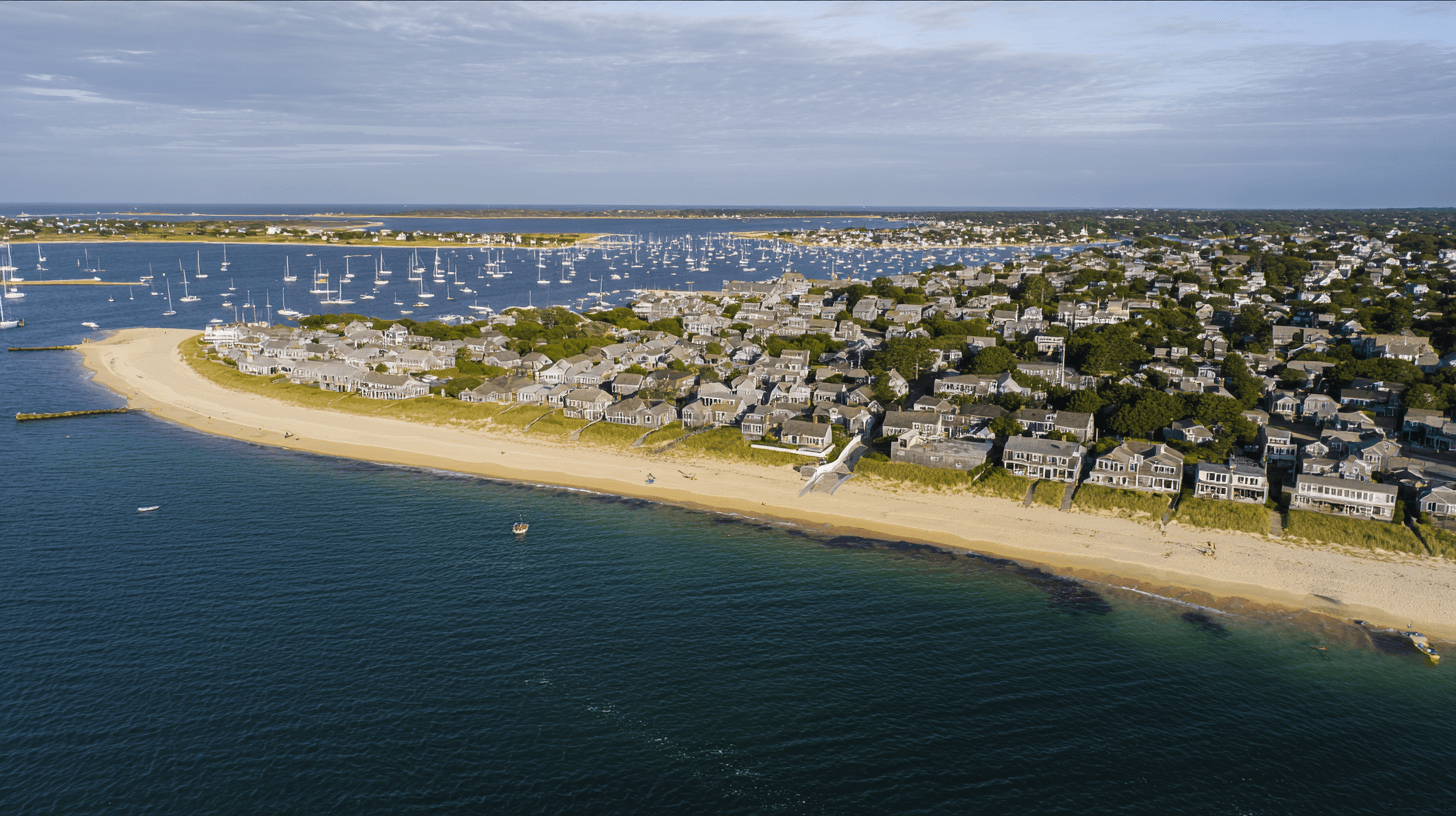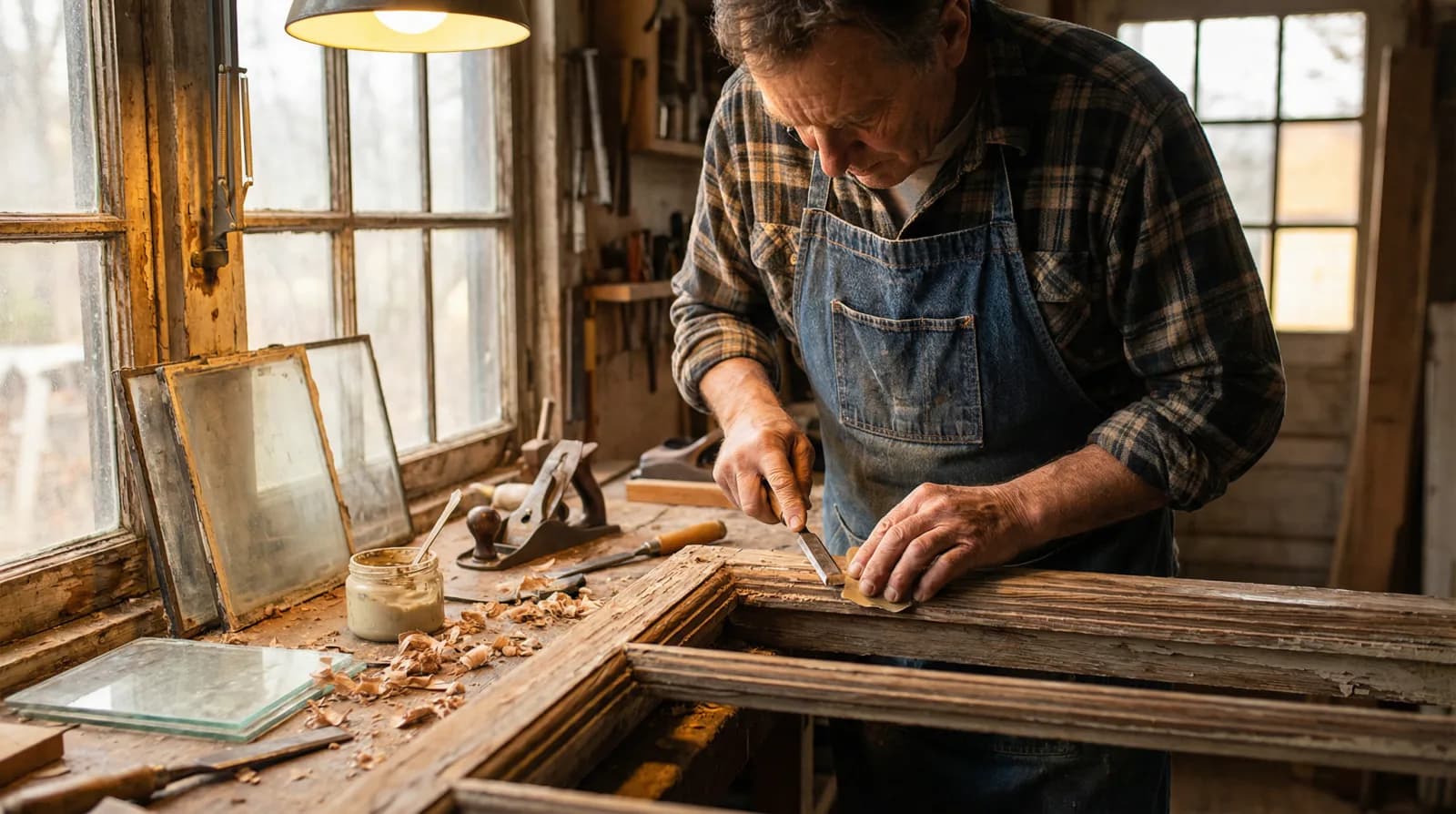
Practical guide to restoring historic Nantucket homes. Learn NPT's preservation principles, navigate HDC requirements, find qualified contractors, and balance modern comfort with historic character.
Restoring a historic Nantucket home is both a privilege and a responsibility. The island's remarkable architectural heritage survives because generations of owners have maintained these structures with care and respect for their historic character. Whether you own a whaling-era captain's house, a Federal-style residence, or a Sconset fishing cottage, understanding proper preservation practices protects your investment while honoring the island's irreplaceable built environment.
This guide covers the essential knowledge for anyone undertaking restoration work on Nantucket: the principles that guide preservation decisions, the regulatory framework you must navigate, and the practical considerations that determine success.
For a comprehensive overview of Nantucket's historic properties and regulations, see our Complete Historic District Guide.
Why Preservation Matters on Nantucket
Nantucket contains over 800 structures built before 1850, representing one of America's most intact collections of pre-Civil War architecture. This remarkable survival occurred because economic decline following the whaling industry's collapse prevented new construction for decades. By the time prosperity returned through tourism, residents recognized what had been inadvertently preserved.
The entire island operates under historic preservation guidelines, making Nantucket unique among American communities. This framework protects individual investments while maintaining the collective character that makes island properties so valuable. Well-preserved historic homes consistently command premiums over comparable structures that have been inappropriately altered.
The Preservation Advantage:
- Historic integrity increases property value
- Proper maintenance prevents costly emergency repairs
- Original materials often outlast modern replacements
- Preservation protects neighborhood character
- HDC compliance avoids enforcement issues
NPT's Ten Principles for Preserving Historic Houses
The Nantucket Preservation Trust (NPT) offers invaluable guidance for homeowners through their preservation programs. Their ten steps provide a framework for maintaining historic properties properly.
1. Complete Maintenance on a Regular Basis
Routine maintenance is the foundation of preservation. Cleaning and painting, especially on exterior surfaces, minimizes rot and prevents costly repairs. Nantucket's sea air and damp winters make regular maintenance particularly critical.
Practical Approach:
- Develop a maintenance schedule with clear priorities
- Inspect exterior surfaces annually before winter
- Address small issues before they become major problems
- Clean gutters and ensure proper drainage
- Check caulking around windows and doors
2. Limit Repair Scope and Keep Original Details
When trim around windows, doors, or rooflines needs attention, replace only the damaged portion rather than entire elements. This approach preserves historic fabric while saving both materials and money.
If complete element replacement becomes necessary, document the original thoroughly. Take detailed photographs and match molding profiles exactly to retain your building's historic character.
3. Maintain Historic Windows
Historic windows, particularly those from the early twentieth century or earlier, were built to be repaired rather than replaced. Significant improvements in energy efficiency are possible while retaining original windows.
Window Preservation Options:
- Repair damaged sash and frames
- Install weatherstripping
- Add interior storm windows
- Restore original hardware
- Reglaze with proper putty
Replacement windows rarely match the quality and character of originals. The HDC encourages repair over replacement, and well-maintained historic windows can serve for another century.
4. Take Special Care with Masonry
Historic brick on Nantucket faces a particular threat: inappropriate use of Portland cement. Modern cement is generally incompatible with historic brick and can cause serious damage. The weight of cement can even bring down an old chimney.
Critical Masonry Guidelines:
- Use lime-based mortar appropriate to the brick age
- Match mortar color and texture to existing joints
- Hire masons who understand historic techniques
- Never sandblast or power wash historic brick
- Proper repointing does not increase costs significantly
5. Build Additions with Nantucket in Mind
If you plan to expand your historic home, design additions that complement rather than overwhelm the original structure. Oversized additions affect not just your property but the entire neighborhood.
Addition Principles:
- Keep additions subordinate to the main structure
- Maintain appropriate scale and setbacks
- Use compatible materials and details
- Preserve green space rather than maximizing coverage
- Consider impact on neighboring properties
6. Maintain the Quirks
Those slightly crooked windows and uneven floors tell the story of your building's age and evolution. Rather than straightening everything, consider stabilizing structural issues while preserving the elements that give your house authentic Nantucket character.
These quirks are not defects. They represent centuries of settling, seasonal movement, and the hand-crafted nature of historic construction. Treasure them as evidence of your home's genuine history.
7. Keep Historic Interior Features
The interior of your house reveals information about past owners and periods of construction. Original features carry historical significance beyond their functional purpose.
Features Worth Preserving:
- Transoms above doorways
- Paneled doors and original hardware
- Chair rails and picture moldings
- Mirror boards between windows
- Winder staircases (a Nantucket specialty)
- Original fireplace mantels
If a historic staircase proves difficult to navigate, consider adding new stairs in an addition rather than removing the original.
8. Keep Your Plaster Walls
This advice surprises many homeowners, since plaster has been routinely removed during renovations. However, preservation contractors increasingly recognize the benefits of retaining and repairing historic plaster.
Plaster Advantages:
- Superior to modern drywall in durability
- Handles Nantucket's moisture better than alternatives
- Provides excellent soundproofing
- Can be repaired rather than replaced
- Reveals clues to building evolution
Plastering remains a specialized craft, but Nantucket has skilled contractors who can complete this traditional work properly.
9. Take Special Care with Historic Floors
Original wide-plank floors represent irreplaceable historic fabric. Unfortunately, they are often damaged through improper care.
Floor Preservation Guidelines:
- Never over-sand historic floors
- Hand-sanding preserves hand-planed character
- Simple cleaning and waxing maintains patina
- Refinishing should be a last resort
- Area rugs protect high-traffic zones
Each sanding reduces the floor's lifespan and destroys its antique character. Embrace the worn patina that tells your floor's story.
10. Do Your Homework and Ask Questions
Historic home ownership presents unique challenges. Finding correct materials, methods, and qualified professionals requires research and persistence.
Key Resources:
- Nantucket Preservation Trust consultations
- HDC staff guidance
- Local preservation contractors
- Online preservation resources
- Other historic homeowners
Be cautious of contractors who claim preservation is impossible or always costs more. Get second opinions. Nantucket has craftsmen who understand historic fabric and know that proper methods usually do not increase costs.
Working with the Historic District Commission
The HDC oversees all exterior changes to structures throughout Nantucket. Understanding their process and requirements is essential for any restoration project.
What Requires HDC Approval
The commission has jurisdiction over all exterior work visible from public ways:
- Exterior alterations and modifications
- Roof replacements and changes
- Window and door replacements
- Paint colors and exterior finishes
- Fencing and hardscaping
- HVAC equipment placement
- Solar panel installation
- Additions and new construction
The Certificate of Appropriateness Process
Any exterior work requires a Certificate of Appropriateness (COA). The application process involves:
- Submission: Detailed plans and specifications
- Staff Review: Completeness check
- Public Hearing: Commission review
- Decision: Approval, denial, or modification request
- Building Permit: Separate application follows COA
Straightforward projects like replacing windows with matching materials may receive quick approval. Major work typically requires multiple hearings and design refinements.
HDC Design Guidelines
The commission maintains specific guidelines to protect historic character:
Approved Colors: The HDC publishes acceptable color palettes. Gray shingles that weather to silver define Nantucket's aesthetic and are essentially required for historic properties.
Window Standards: Replacement windows must match original profiles and materials. The commission strongly prefers repair over replacement.
Addition Requirements: New construction must complement existing structures. Guidelines specify that additions should be subordinate in scale and appropriately detailed.
Modern Systems: HVAC equipment, solar panels, and technology must be screened from view or placed where invisible from public ways.
Tips for HDC Success
- Research precedents for similar projects in your neighborhood
- Engage architects experienced with HDC requirements
- Consider pre-application consultations with staff
- Build adequate time into project planning
- Present complete, well-documented applications
For detailed information on living within HDC regulations, see our guide to Historic District Living.
Finding Qualified Contractors
Restoration work requires craftsmen who understand historic construction methods and preservation principles. The wrong contractor can cause more damage than the problem they were hired to fix.
What to Look For
Experience with Historic Properties:
- Portfolio of completed restoration projects
- References from other historic homeowners
- Understanding of traditional materials and methods
- Familiarity with HDC requirements
Specific Craft Skills:
- Window restoration specialists
- Plasterers trained in traditional techniques
- Masons who work with lime mortar
- Carpenters skilled in historic joinery
- Painters experienced with historic finishes
Questions to Ask
Before hiring any contractor for historic work:
- What similar historic projects have you completed?
- What preservation training have you received?
- How would you approach this specific repair?
- What materials do you recommend and why?
- Are you familiar with HDC requirements?
The NPT House Interview
The Nantucket Preservation Trust offers free House Interviews for owners of historic properties. These consultations, conducted by NPT staff with preservation architects or contractors, help homeowners understand their building's style, character, defining features, and evolution.
This resource provides invaluable guidance before beginning any restoration work.
Appropriate Materials for Historic Restoration
Using correct materials is fundamental to preservation. Modern substitutes often fail prematurely and can damage original building fabric.
Exterior Materials
Siding: Cedar shingles remain the standard for Nantucket exteriors. Allow them to weather naturally to the characteristic gray. Staining or painting shingles requires HDC approval.
Trim: Clear or select grade wood for replacement trim. Match profiles exactly. Composite materials may be acceptable in some applications but require HDC approval.
Roofing: Wood or approved synthetic shingles in approved colors. Cedar or red cedar shingles are traditional. The HDC publishes acceptable alternatives.
Paint: Traditional formulations when possible. Lead paint removal requires proper protocols. New paint must match approved colors.
Interior Materials
Plaster: Lime-based plaster for repairs. Modern patching compounds are acceptable for small areas. Full wall replacement should use traditional three-coat plaster when possible.
Flooring: Match existing species and width. Reclaimed period-appropriate material is ideal for replacement sections. Never mix incompatible woods.
Hardware: Period-appropriate reproduction hardware for visible locations. Original hardware should be restored rather than replaced.
Common Restoration Mistakes to Avoid
Learning from others' errors can save significant expense and preserve your home's character.
Material Mistakes
- Using Portland cement on historic brick
- Replacing original windows with vinyl or aluminum units
- Over-sanding historic floors
- Removing original plaster for drywall
- Substituting inappropriate modern materials
Design Mistakes
- Oversized additions that overwhelm original structures
- Removing character-defining features
- Modernizing in ways that erase history
- Ignoring the building's evolution
- Designing without understanding the original style
Process Mistakes
- Beginning work without HDC approval
- Hiring contractors inexperienced with historic work
- Rushing restoration decisions
- Failing to document before changes
- Underestimating project complexity and cost
Enforcement Consequences
Work completed without proper HDC approval may require removal or modification. The commission has enforcement authority including fines and legal action. The cost of correction always exceeds the cost of doing it right initially.
Balancing Modern Comfort with Historic Character
Historic homes can accommodate modern systems and conveniences while maintaining their character. Success requires thoughtful integration.
Climate Control
Modern HVAC significantly improves comfort in historic homes. Key considerations:
- Screen equipment from public view
- Use mini-split systems to minimize ductwork
- Place condensers in discrete locations
- Restore operable windows for natural ventilation
- Consider supplemental dehumidification for coastal conditions
Kitchen and Bath Updates
These rooms often require the most updating while presenting the greatest design challenges:
- Maintain room proportions and ceiling heights
- Conceal modern appliances when possible
- Use period-appropriate fixtures
- Preserve original features like pantries
- Consider subtle rather than dramatic changes
Technology Integration
Modern technology need not be visible:
- Conceal wiring in existing pathways
- Use wireless systems when possible
- Hide routers and equipment
- Plan technology needs before restoration begins
The Economics of Preservation
Proper preservation makes financial sense beyond the satisfaction of maintaining history.
Long-Term Value
Historic materials often outlast modern alternatives. Original windows properly maintained can serve for 150 years or more. Quality historic lumber surpasses today's fast-growth wood. Lime mortar flexes with seasonal movement while cement cracks.
Avoiding Costly Corrections
Improper repairs frequently require correction. Inappropriate mortar damages brick that then needs replacement. Wrong materials fail prematurely. Non-compliant work requires HDC-mandated modifications.
Market Premium
Well-preserved historic properties command significant premiums on Nantucket. Buyers pay more for authenticity. Inappropriate alterations reduce values. The care you invest in preservation returns when you sell.
Getting Started with Your Restoration
If you own or are considering a historic Nantucket property, take these initial steps:
- Research Your Property: Learn its construction date, architectural style, and history of changes
- Document Current Conditions: Photograph all features before any work begins
- Consult NPT: Schedule a House Interview for professional guidance
- Identify Priorities: Address structural and weatherproofing issues first
- Build Your Team: Find architects and contractors experienced in preservation
- Plan HDC Process: Understand approval requirements before designing changes
Professional Guidance for Historic Properties
Restoring a historic Nantucket home successfully requires understanding both preservation principles and local requirements. The investment of time in research and planning pays dividends in results.
Whether you own a property needing restoration or seek to purchase a historic home with realistic expectations, knowledgeable guidance makes a significant difference.
Nantucket's historic homes connect us to centuries of American history. Preserving them properly ensures they will continue telling their stories for generations to come.
Work with a Nantucket Expert
Looking for your Nantucket home? John Trudel has been helping buyers find their perfect island property for over 29 years. With deep local knowledge of every neighborhood, pricing trend, and historic consideration, he provides the guidance you need to make a confident decision.
Schedule a consultation to discuss your goals, or browse current listings to start exploring.